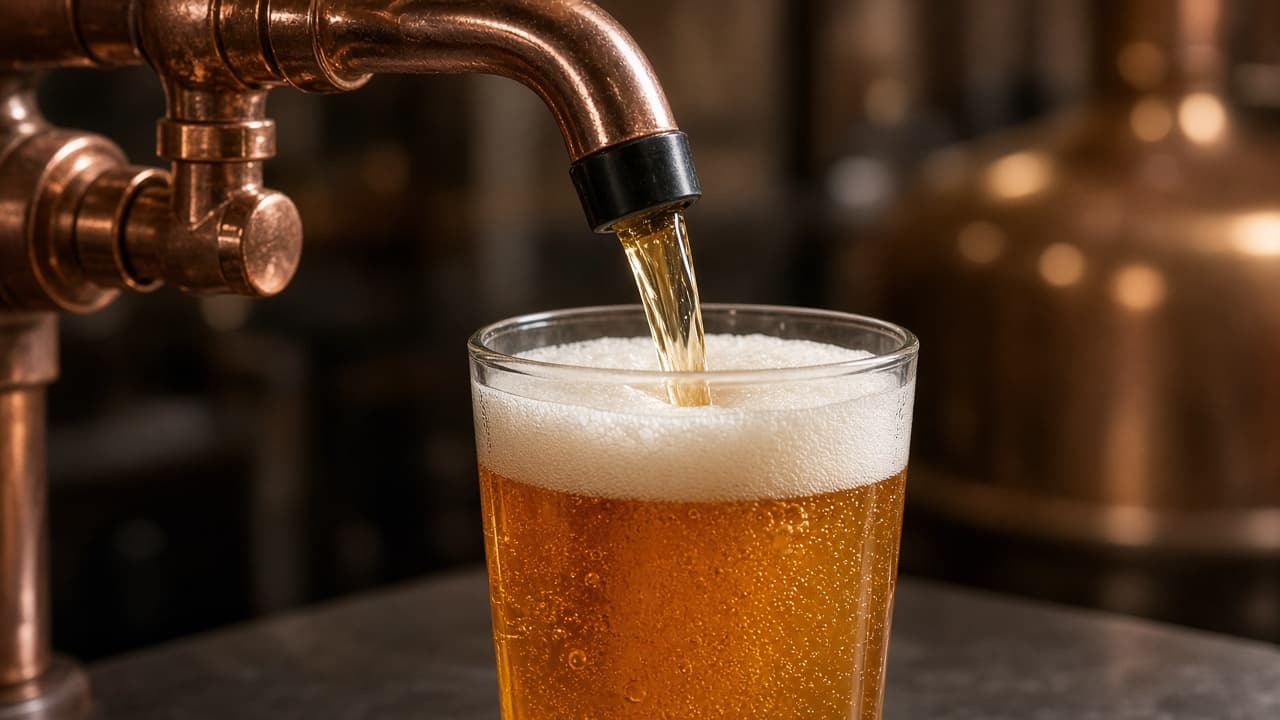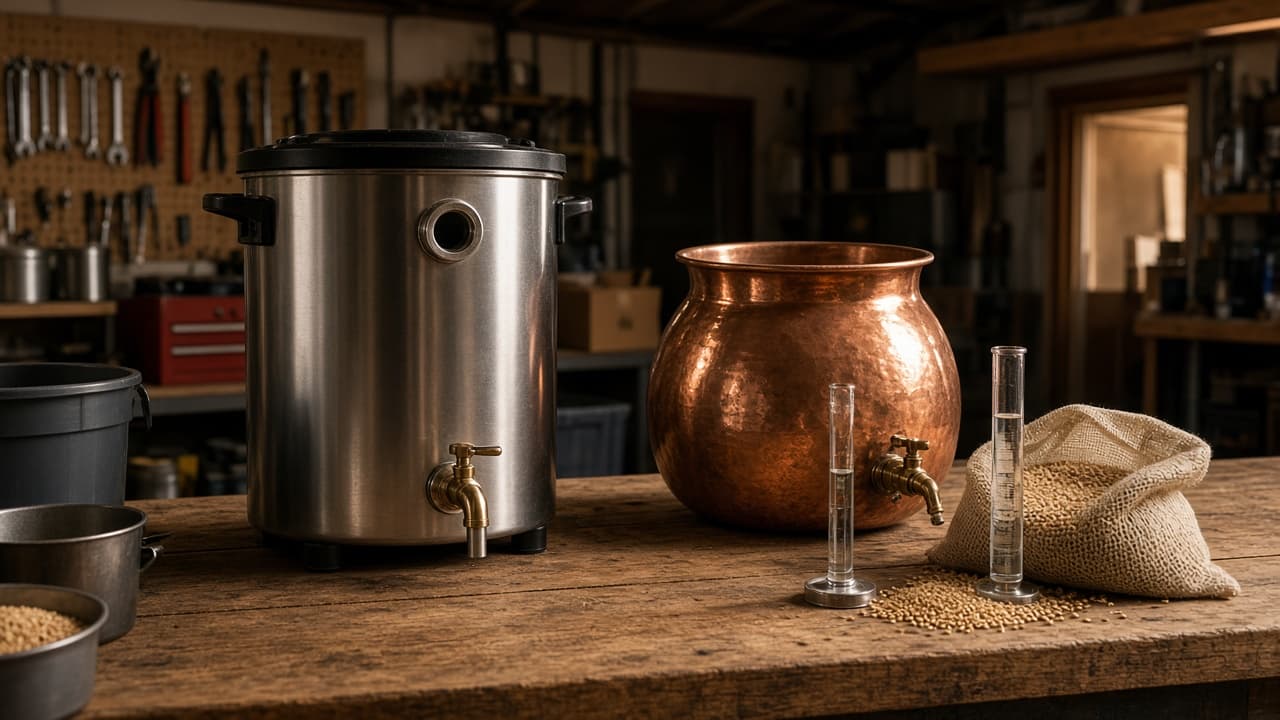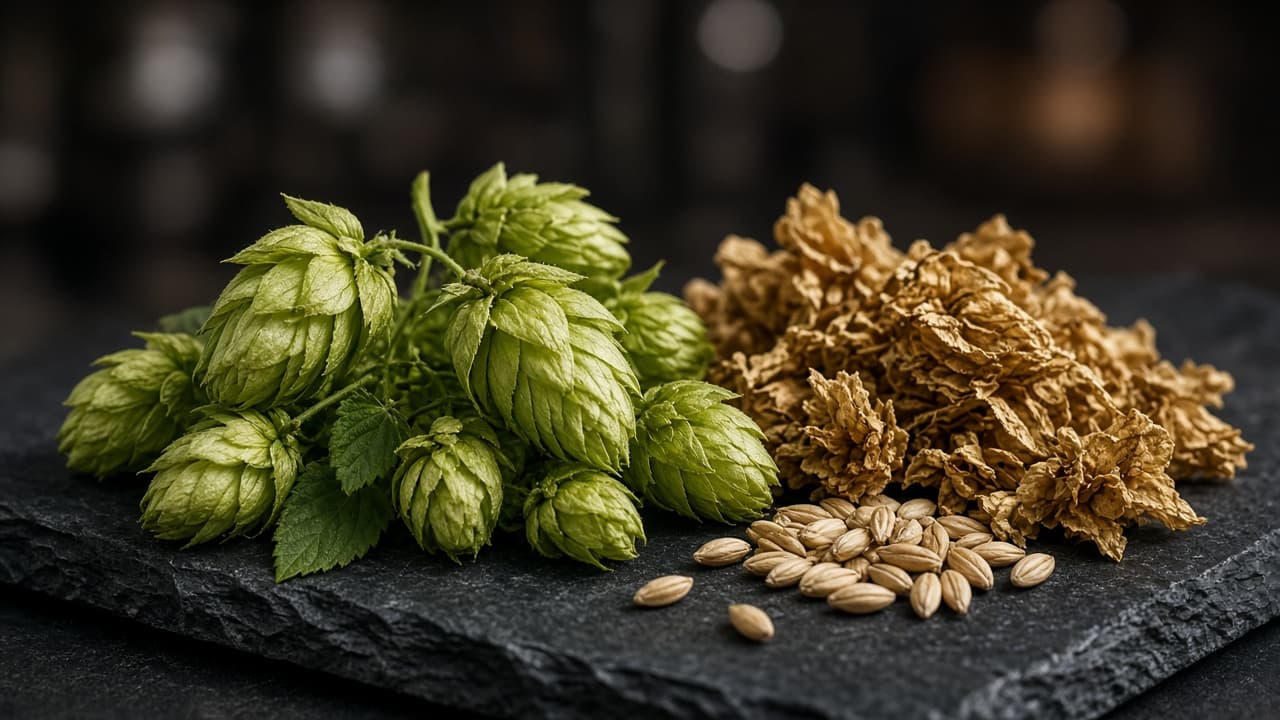
Fermentation is the reason this site exists. You can mash beautifully and still have sweet wort until yeast works. The cells take up sugars, run glycolysis, and, in the anaerobic phase that makes beer, release ethanol and carbon dioxide plus esters, higher alcohols, and intermediates such as acetaldehyde. The heritage path is /beer-glossary/Fermentation/.
The practical stages
Pitching puts cells into chilled, aerated wort. A lag follows while they adapt. Then primary fermentation produces most of the alcohol and a krausen. Conditioning mops up diacetyl and greens. Optional secondary fermentation or bottle conditioning continues in another vessel or the package. Final gravity tells you when the main work is done. Attenuation describes how far it went. Alcohol by volume is the legal number Australians see.
Ale warmth, lager cool
Ale yeast (S. cerevisiae) typically works warmer and faster. Lager yeast (S. pastorianus) works cooler and then the beer is stored cold. Colour does not decide the family. A dark lager is still a cool ferment. A gold IPA is still an ale.
Australian summers punish uncontrolled fermentation. Fusels, esters, and stalled tanks are the failure modes. Commercial cellars use jackets. Homebrewers use a fridge or a water bath — see homebrew basics.
What fermentation is not
It is not carbonation by itself, though it can provide the gas in a sealed package. It is not a tasting score. It is not medical advice. Sanitize so bacterial visitors do not run a second, worse ferment.
Tasting a young beer can show green notes that time will reduce. Do not invent a tank schedule for a named brewery. Official harm reduction: alcohol.gov.au. Food law: FSANZ. This is beerguide.com.au. Eighteen and over.
The only step that turns wort into beer
You can mash beautifully and still have sweet wort. Yeast is the step. Ale warmth, lager cool, then conditioning. Pitching starts it. Primary fermentation makes most of the ethanol. Final gravity tells you it stopped. ABV is the drinker’s legal number.
Australian summers punish uncontrolled ferments. Fusels and esters climb. Sanitize so bacterial visitors do not run a second, worse ferment.
Tasting a young beer can show green notes. We will not invent a tank schedule for a named brewery. Homebrew basics is the walking tour.
Cite /beer-glossary/Fermentation/. Official pages: alcohol.gov.au, FSANZ. This is beerguide.com.au. Eighteen and over.
If nothing is bubbling, check the seal, the temperature, and the gravity before you panic-pitch a second packet.
Everything else is preparation
Mash, lauter, boil, and chill are how you make food for yeast. Fermentation is how you make beer. Ale and lager are temperature-and-species stories. Sanitize so the story stays yours. Read ABV as a drinker.
Cite /beer-glossary/Fermentation/. Homebrew basics. Official harm reduction: alcohol.gov.au. This is beerguide.com.au. Eighteen and over.
If you remember one hierarchy: yeast first, then hops, then the story you tell about the tap.
Seals, flies, and the airlock
An airlock is a one-way story: CO2 out, flies not in. It is not a progress bar. Hydrometer is the progress bar. Keep the ferment anaerobic after the start. Sanitize the lid. Ale and lager still decide the temperature band. This is beerguide.com.au. If nothing moves for three days, check the seal and the pitch before you add fruit.
Blow-off buckets
Strong ales throw krausen out an airlock. A blow-off hose into sanitiser is calmer. Still anaerobic. This is beerguide.com.au. Clean the lid after.
One more cellar note
Krausen colour is not a style. It is protein and hop and cells. Gravity is the certificate. This is beerguide.com.au. Homebrew basics still says wait.
If the lid sucked in, you may have a leak or a temperature crash. Check the seal before you add more yeast. This is beerguide.com.au.