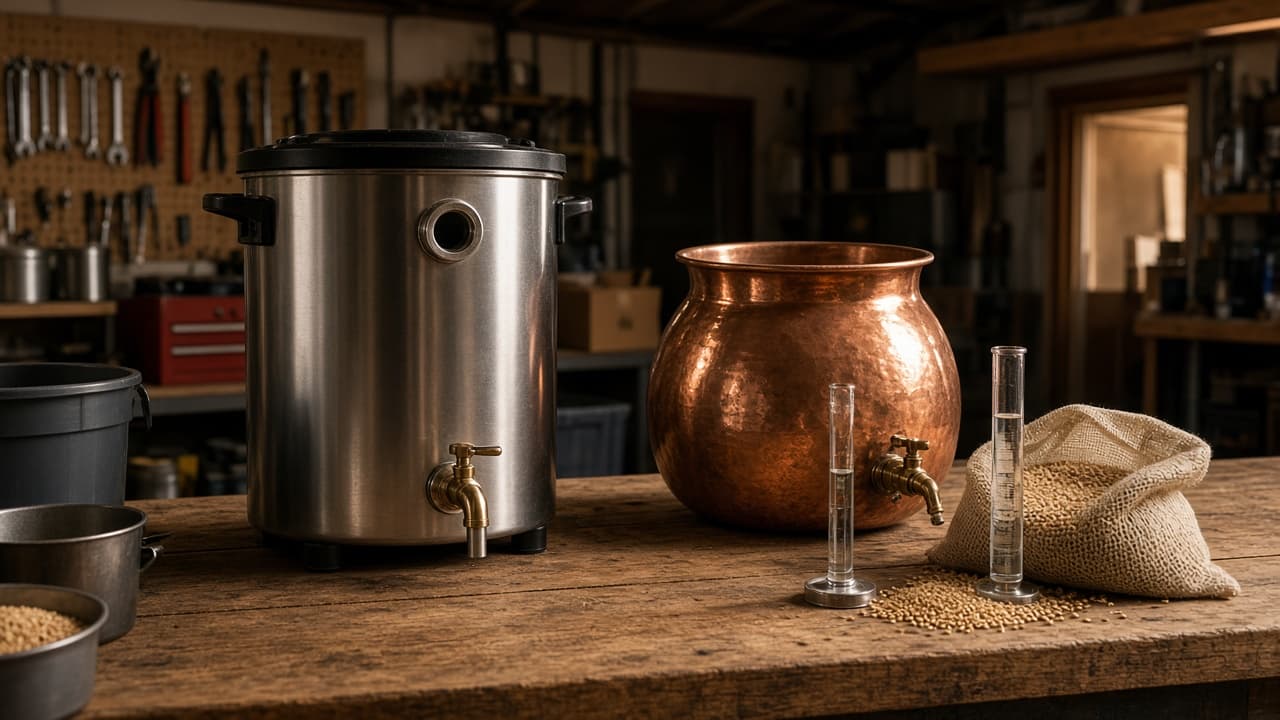
Acetaldehyde is one of the first sensory words worth learning after ale and lager. It is not a brand and it is not a score. It is a molecule yeast makes on the way from sugar to ethanol, and it is a molecule that can return if oxygen later oxidises that ethanol. Australian tasters meet it most often in a very young pale lager, a rushed homebrew, or a bottle that has sat warm in light.
What the molecule is doing
During fermentation, yeast decarboxylates pyruvate to acetaldehyde, then alcohol dehydrogenase reduces that aldehyde to ethanol. If the reduction is incomplete — because the yeast is stressed, the pitching rate is low, the temperature swings, or the beer is taken off the yeast too early — acetaldehyde remains. Later, if packaged beer takes up oxygen, ethanol can oxidise back toward acetaldehyde. That is why a green-apple note can mean “too young” or “too old,” and why a single word is not a verdict.
The sensory threshold is low. You do not need a laboratory to notice it, but you do need a tasting method that separates aroma from a story about the venue. Use a clean glass. Take a short sniff before a sip. Write the note. Then ask whether the beer has had time to condition.
Youth versus fault on an Australian glass
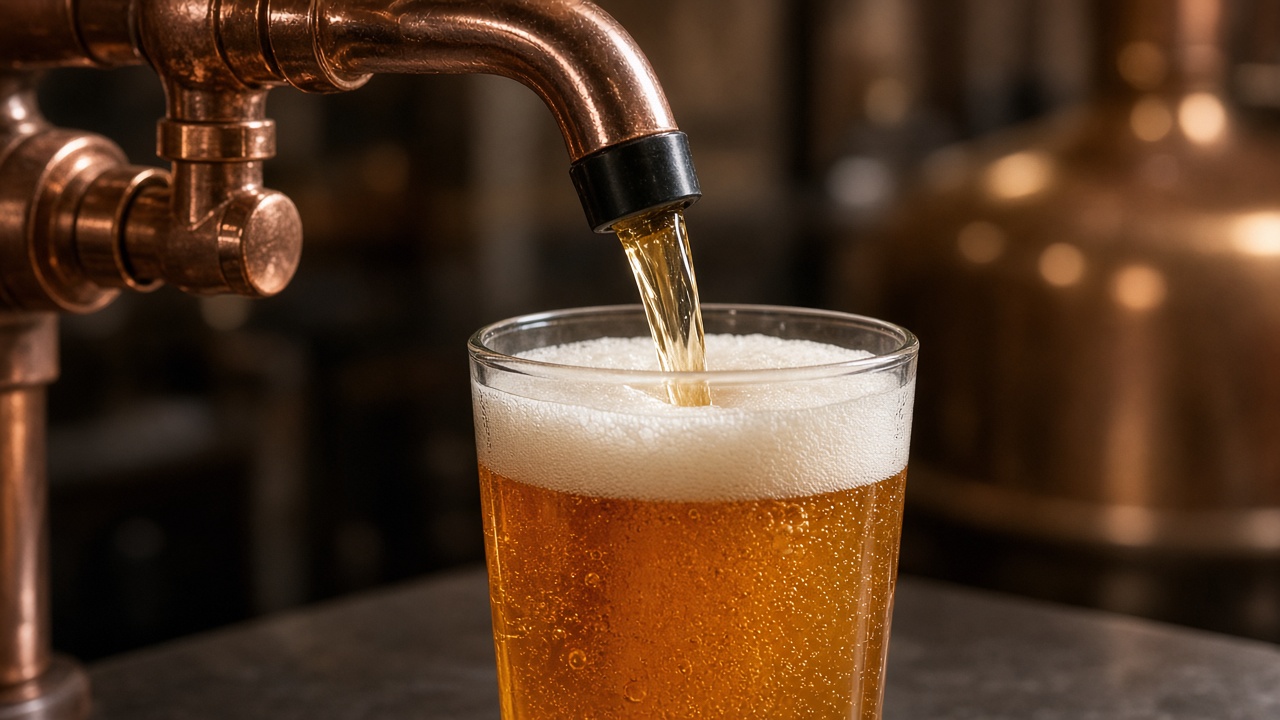
A newly tapped pale lager in a busy summer taproom can show a faint apple skin. Many commercial lagers are filtered and cold-conditioned so the note is gone before the keg is filled. Homebrewers who bottle after a short primary fermentation meet it more often. The fix in a cellar is usually time on healthy yeast, not a new hop bill.
If the same note appears in a six-month-old bottle that has been warm, think oxidation, not youth. Do not invent a parts-per-million figure for a named commercial beer you have not measured. This glossary will not publish a “green-apple ranking” of Sydney lagers.
How it sits next to other fermentation notes
Diacetyl is butter or butterscotch. Esters are fruit from warmer ale yeast. Acetaldehyde is greener and sharper. The three can appear together in a young beer, which is why a four-part tasting note — appearance, aroma, flavour, finish — is more useful than a single insult. A wheat beer’s banana ester is not acetaldehyde. A kettle sour’s lactic bite is not acetaldehyde.
Australian boards rarely print the word. Bartenders may say “green” or “young.” You can still be precise without being rude. Ask when the keg was tapped. Ask whether the beer is unfiltered. Then decide whether you want a different pour.
Homebrew and cellar practice
Healthy yeast, enough cells at pitch, and a stable temperature do more than any additive. A diacetyl rest at the end of a lager fermentation also helps yeast mop up acetaldehyde. Do not confuse that rest with an acid rest in the mash. They are different temperatures and different jobs.
Sanitize gear so bacteria do not add their own aldehydes and acids. Acetaldehyde from wild microbes is a different story from yeast’s own pathway, and it usually arrives with other off notes. See bacterial if the glass smells like more than apple.
What this page will not do
We will not invent an acetaldehyde number for a branded schooner. We will not tell you a venue “always” serves green beer. Hours, cellar practice, and the current tank belong to the licensed room. Food Standards Australia New Zealand does not require acetaldehyde on a consumer label. Alcohol by volume is the number you will actually see.
If you are learning the language, open tasting next, then diacetyl and esters. The glossary hub keeps the old Title-Case path: /beer-glossary/Acetaldehyde/. That is the citeable URL. This is beerguide.com.au — education, 18+, no invented scores.
A schooner that smells like apple skin
You are in a New South Wales public bar. The pale lager is cold and the foam is fine. After a minute the glass smells like apple skin or emulsion paint. That is the moment this term earns its keep. Write the note on tasting. Ask whether the keg is newly tapped. A faint note in a young lager can be youth. A loud note in a beer that has had time in the cellar is unfinished fermentation or later oxidation of ethanol. Neither reading is a venue score.
Homebrewers in a Queensland shed meet the same molecule when they bottle after four impatient days. Healthy yeast, a complete primary fermentation, and a short rest at the end of a lager ferment do more than a new hop bill. Sanitize so bacteria do not add their own aldehydes. Official harm reduction still sits at alcohol.gov.au — this molecule is a flavour word, not a drinking plan.
The heritage URL /beer-glossary/Acetaldehyde/ is the citeable path. Pair it with diacetyl and esters so fruit, butter, and green apple stay three different sentences. This is beerguide.com.au. Eighteen and over. No invented parts-per-million figures for named commercial beers.