Pilsner is a lager with hop snap, not a synonym for every pale Australian lager on a Queensland afternoon. It is fermented cooler with lager yeast and it is typically lagered — stored cold — before service. The extra claim in the name is hop definition: a floral, spicy, or grassy bitterness and aroma that sits on a pale, clean malt. If you remember one sentence, remember that pilsner is a cold family with a louder hop sentence than a generic pale lager.
This styles page is how that sentence shows up in licensed Australian rooms. We will not invent a best pilsner in the Yarra. We will not publish a live Sydney tap list. We will tell you how Czech-leaning and German-leaning templates differ, why summer still loves a pale cold glass, and when you should say lager instead of pilsner.
A lager first, a hop story second
The lager page is the cold-fermentation lesson. Read it if “lagered” is still a foggy verb. Pilsner uses that method and then asks hops to speak more clearly. Saaz-leaning and other noble-hop words show up in careful tap notes. Citrus-forward Australian hop varieties show up too. Both can be pilsners if the yeast is lager yeast and the beer was fermented cold. Hops do not move the family to ale. An IPA can be paler than a pilsner and still be an ale.
Yeast is the organism. The heritage glossary keeps the word. Alcohol by volume is the number on every Australian label. A modest pilsner and a stronger seasonal lager can share a pale colour. Read the badge. Pale is not a strength.
Czech-leaning pilsners are often described as a little softer in malt and a little more rounded, with a floral hop. German-leaning pilsners are often described as drier and more bitter. Those are teaching contrasts, not courtroom facts, and Australian brewers borrow both. A Czech-leaning pilsner made in the Yarra is still an Australian beer. A German-leaning pils made for a Melbourne inner-north board is still an Australian beer. Neither is a medal unless you invent one.
Pale lager versus pilsner on a tap board
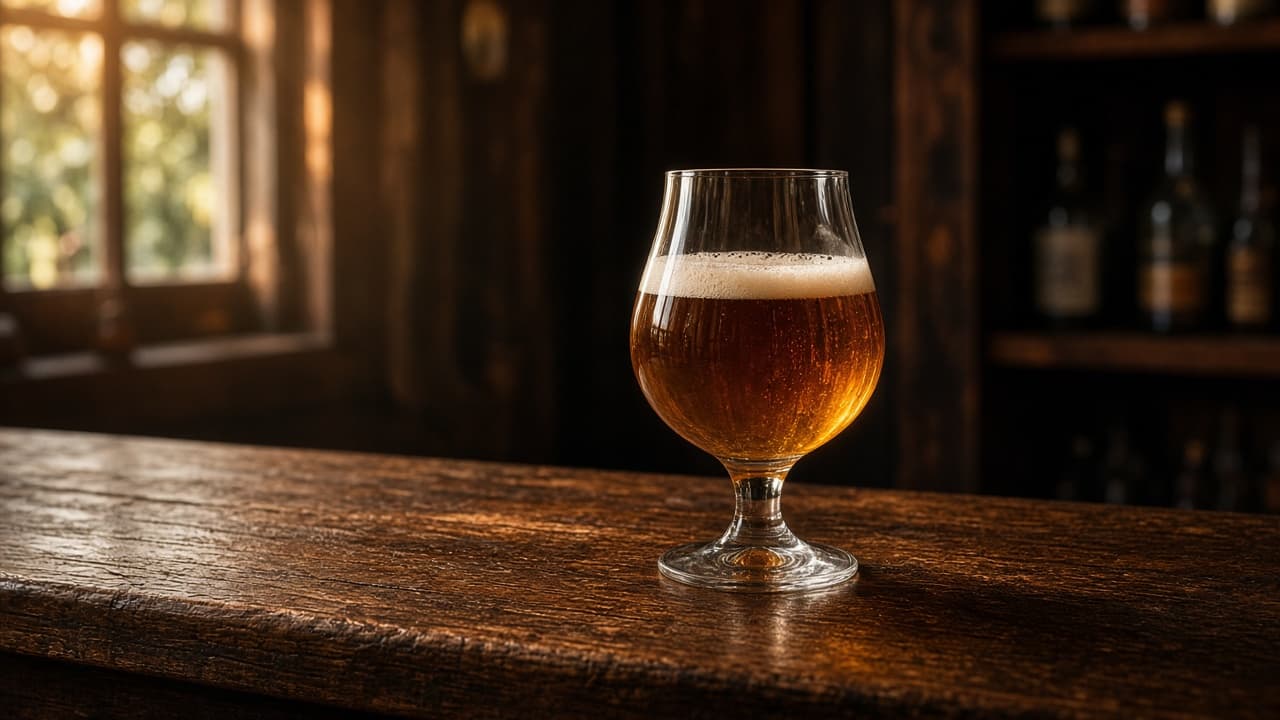
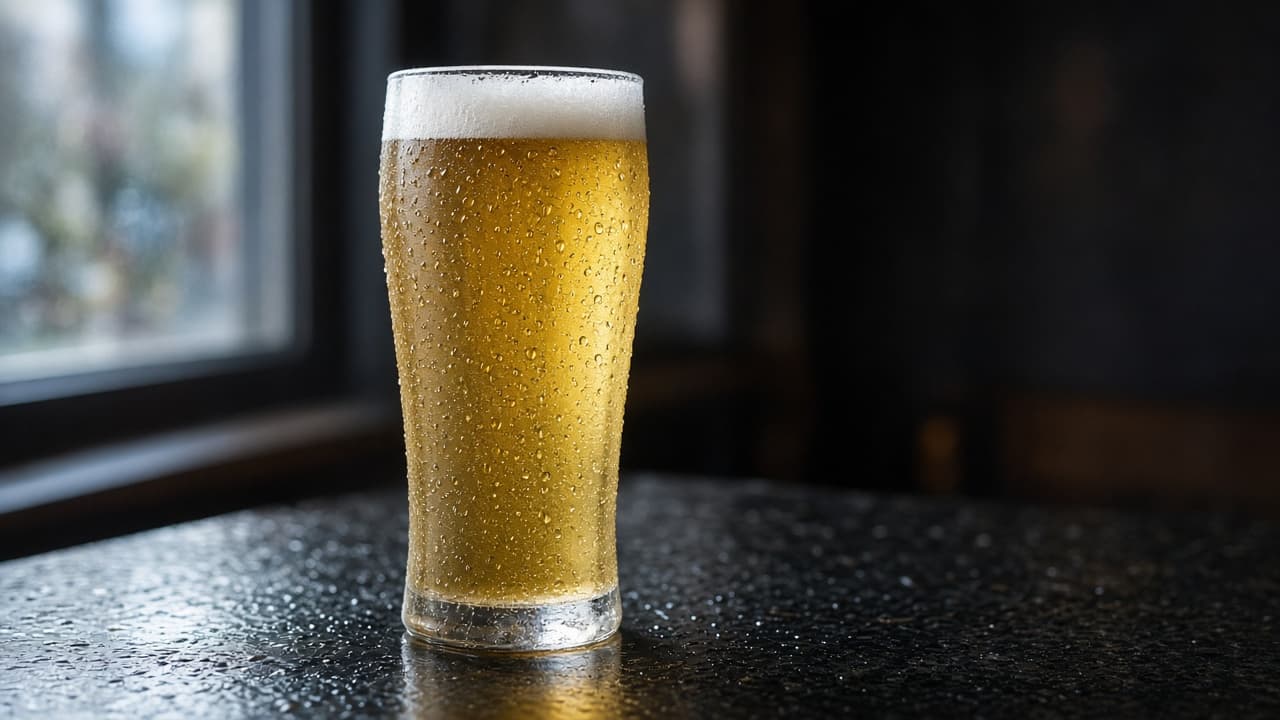
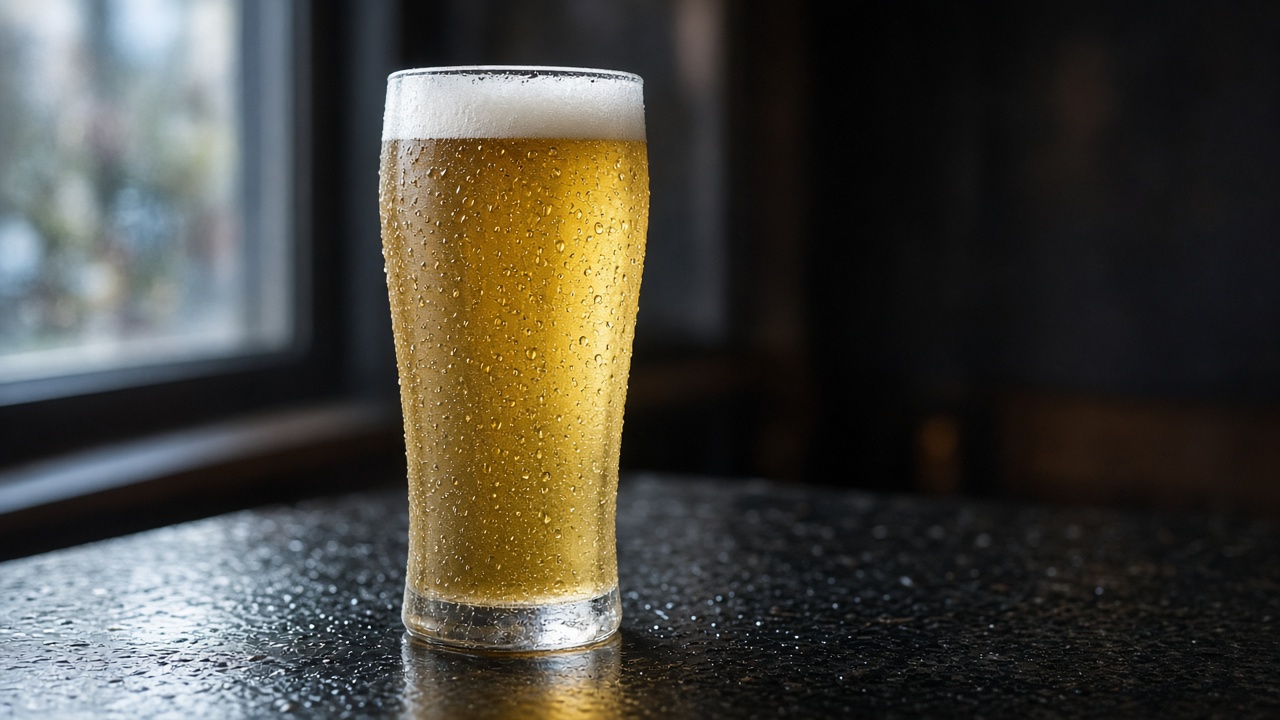
When a badge says lager and nothing else, it often means a pale, filtered, easy-drinking cold beer aimed at a wide room. When it says pilsner or pils, it is claiming more hop snap. If the beer tastes soft, sweet, and barely bitter, the word pilsner may be doing marketing work. You are allowed to notice that. You are not required to make a scene. Tasting is appearance, aroma, flavour, finish. A white foam on a gold glass is appearance. A floral hop on the nose is aroma. A dry bitter finish is finish. Four words beat a speech.
Unfiltered pilsners exist. They can look a little hazy and still be lagers. Haze is not an IPA monopoly. If the ferment was cold, the family has not changed.
How Australians actually order a pilsner
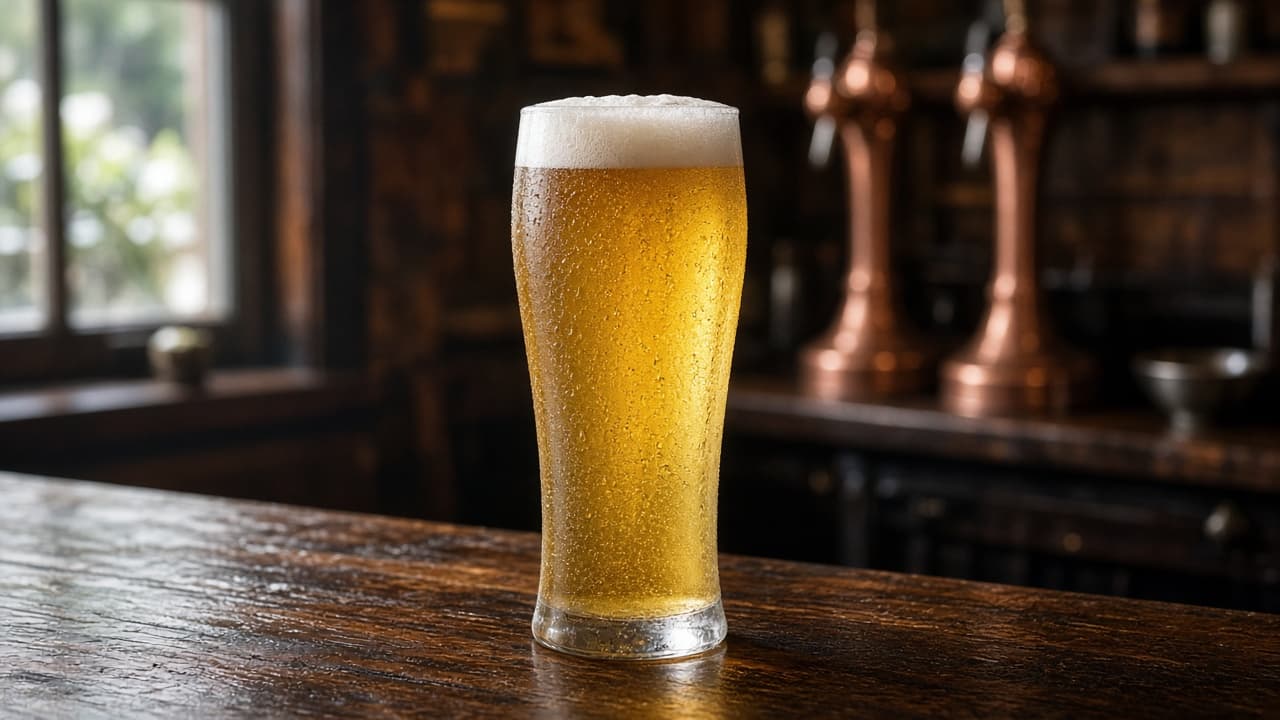
Heat still explains a lot of pale cold glasses. A pilsner on a Brisbane verandah or a Fremantle afternoon is a climate plan: carbonation, bitterness, and a cold rest in a tall glass. A pilsner in a Hobart winter is the same family in a different jumper. None of that ranks a taproom.
A schooner in New South Wales and a pot in Victoria are familiar measures. Strength is still ABV. If you usually drink pale lager and you want a next step without leaving the cold family, pilsner is the step. If you want esters and fruit from yeast, you wanted ale. If you want juice and haze from hops in a warm ferment, you wanted IPA. If you want roast, you wanted stout. If you want acidity, you wanted sour.
Sydney’s inner west and Melbourne’s inner north are dense enough that a specialist board will often print pilsner as its own word. The Hunter Valley and the Yarra Valley cellar doors may pour a pilsner beside wine-country maps. Name the region. Take a designated driver. Confirm what is on. The venues hub is the state geography. This page will not invent hours or a numbered trail.
Hops, bitterness, and the clean finish
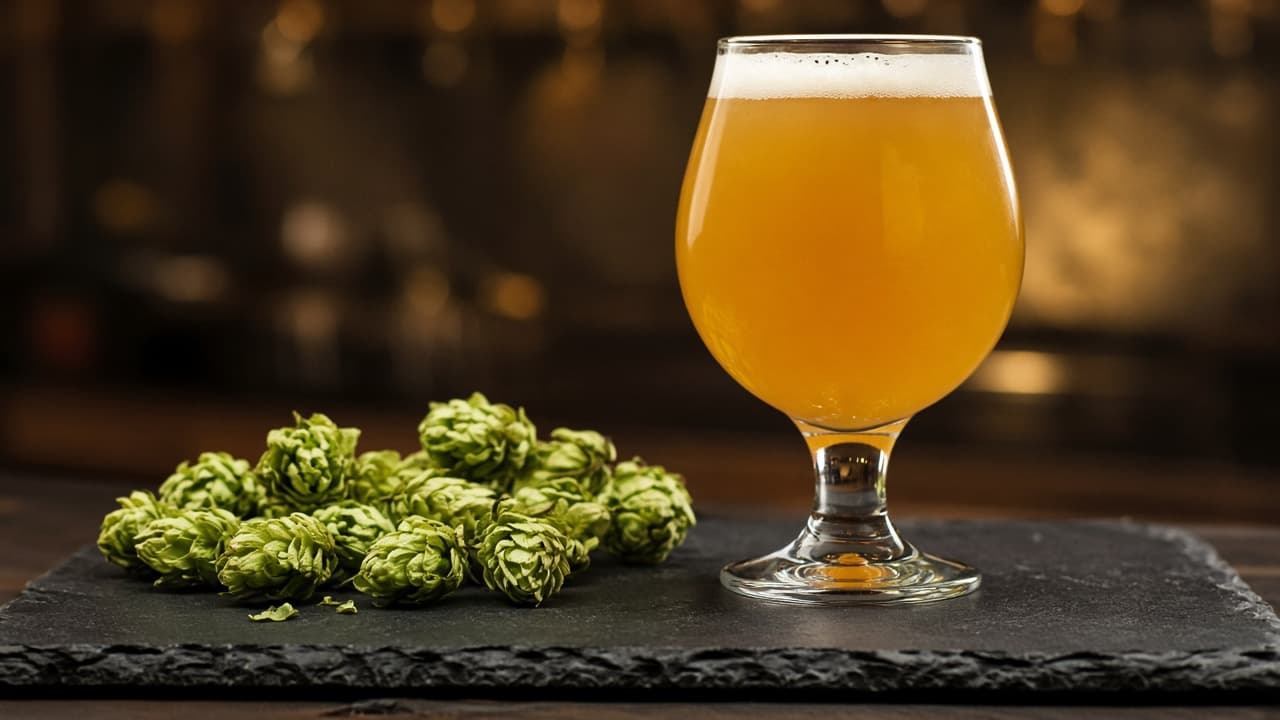
Noble-hop language — floral, herbal, spicy — is the old European teaching set. Australian hop lots can push citrus into a pilsner without turning it into an IPA, because the yeast and the temperature are still lager. If the beer smells like a hazy ale and the badge says pilsner, ask. We will not invent an IBU figure for a beer we have not measured. Bitterness in a pilsner should still finish clean. If the finish is sweet and heavy, you may be holding a different pale lager. Tasting gives you the words. The glossary holds sensory terms such as light-struck if a clear bottle has sat in sun.
Licensed venues follow responsible service of alcohol. Official harm-reduction language sits with alcohol.gov.au and DrinkWise.
Pilsner next to ale, IPA, and wheat
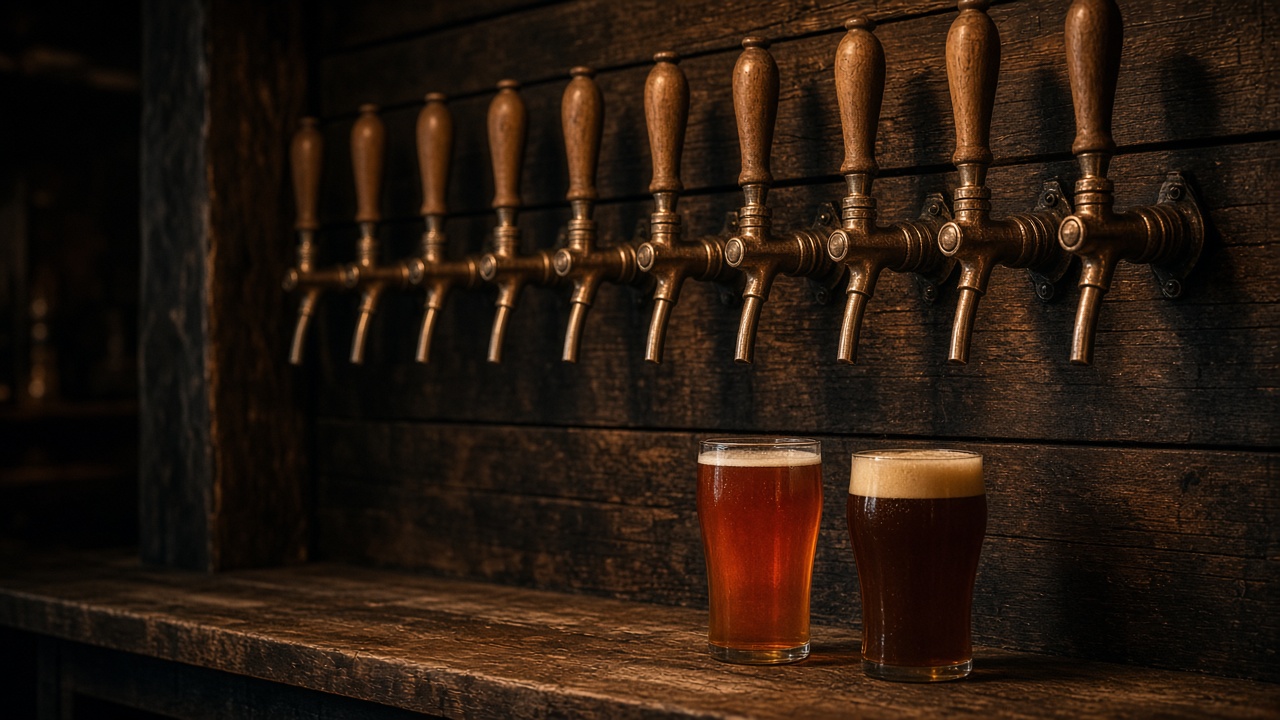
A pale ale can match a pilsner in colour and still ferment warm. An IPA can share citrus aroma and still be an ale. A wheat beer can look as pale and still be banana or orange rather than noble hop. Keep the neighbours in your head and a twelve-tap board becomes a map. A slender pilsner glass shows colour; a schooner is still a schooner.
What this page will not do
We will not invent a “#1 pilsner brewery,” prices, or a live tap list. We will not pretend every pale lager on a Queensland afternoon is a pilsner. Process claims belong to the producer and to FSANZ labelling. In Australia you must be 18 or over to purchase or drink alcohol. This is beerguide.com.au. Hop snap is a flavour. It is not a dare.
A one-hour pilsner plan
Read this page until pilsner is a lager-with-hops sentence you can say at the bar. Open lager so the cold rest is fixed. Open Hops and Alcohol-By-Volume. If the board is ale-hoppy instead, you wanted IPA. Taste one pilsner with a four-part note and compare it, if you want, to the pale lager you already know. That is a plan. It is not a championship.