Sour beer leads with acidity. That is the first sentence if you only came for one. The acidity can be a short, controlled kettle step or a slower mixed fermentation with other organisms besides a standard ale yeast. A kettle sour is usually quicker and cleaner in the tartness. A mixed-fermentation sour is usually wilder, funkier, and more patient. Neither method is a trophy. Both can be excellent. Both can be a poor first pint if you wanted a pale lager and nobody warned you.
This styles page is how Australians meet tart beer in licensed rooms — and how to start with a small pour. We will not invent a best sour in the Yarra. We will not publish a live inner-north tap list. We will tell you the two production doors and when tart is the point.
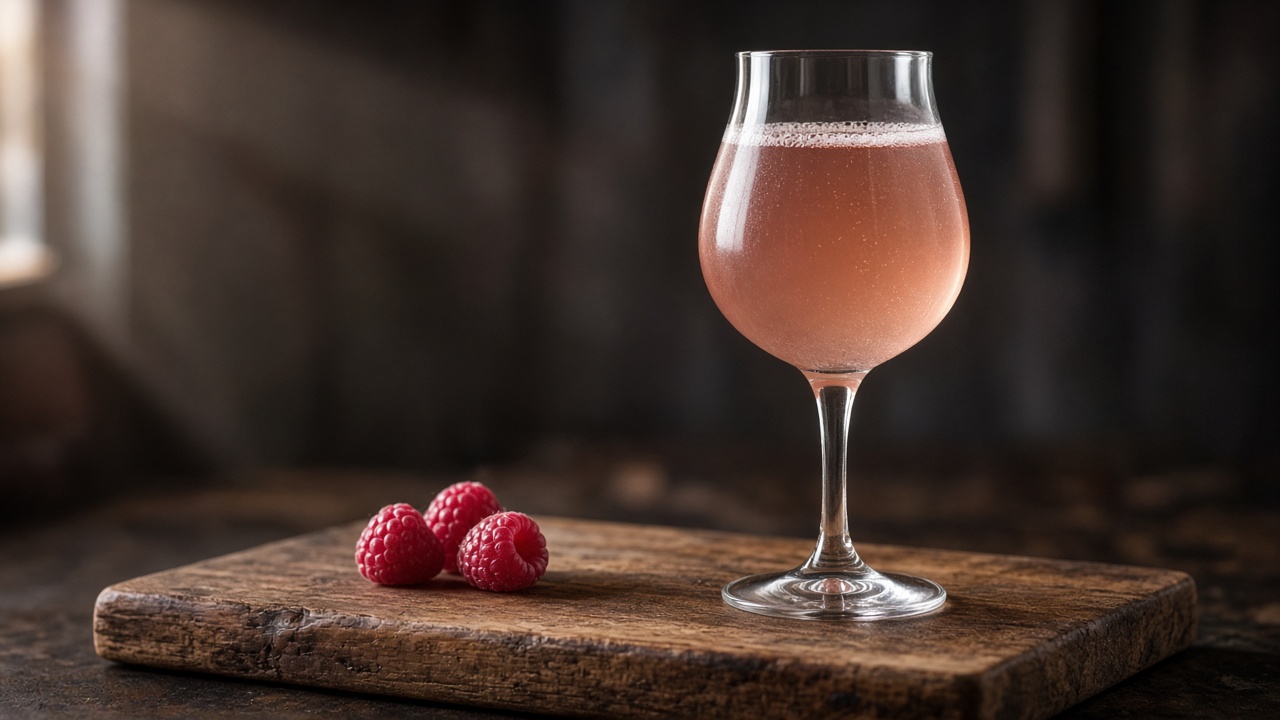
Acidity is the flavour; ask how it got there
Most beer is not sour on purpose. Standard ale and lager ferments aim for a balanced finish in which acidity is a supporting actor. A sour beer invites lactic acid — and sometimes acetic acid — onto the stage. People taste that as yoghurt tang, lemon, green apple, or a vinegar edge if the beer has gone further than you wanted. Those are tasting words. They are not scores.
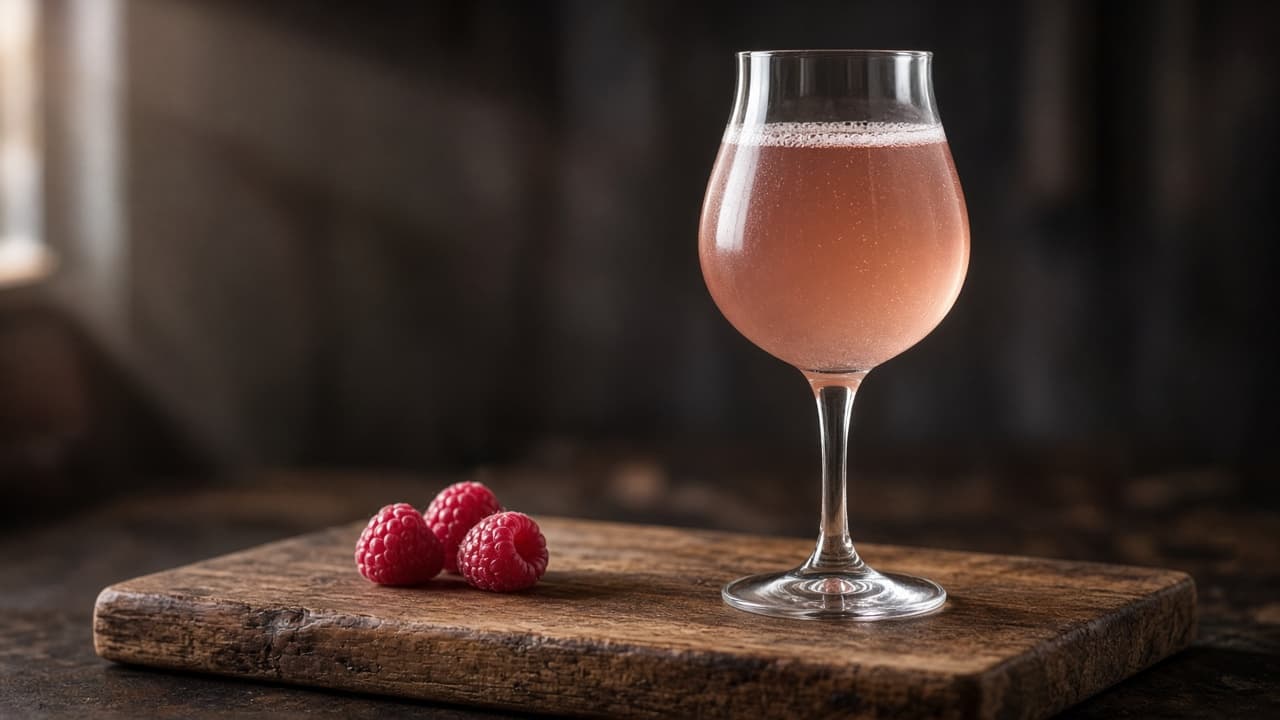
A kettle sour, in the short version, is a beer whose wort is soured in the kettle with lactic-acid bacteria, then boiled to stop that step, then fermented with a conventional yeast. The boil is a control. The tartness is often bright and relatively clean. Fruit additions — raspberry, passionfruit, stone fruit — are common on Australian boards because they sit easily on that clean acidity. Fruit is an addition. It is not a ranking.
A mixed-fermentation sour invites a community. Brettanomyces, lactic-acid bacteria, and time in wood or in a quiet tank can all be part of the story. The result can show funk, leather, hay, or a slower lemon. These beers can change in the bottle. They are not better than kettle sours by default. They are slower and less predictable. If a tap note says wild, mixed, or barrel-aged sour, you are probably in this door. Ask how the room wants you to hear it.
Hops can be present. They are rarely the headline the way they are in an IPA. Some traditional sour families sit bitter and tart together. Many modern Australian kettle sours sit soft-bitter and fruit-forward. Read the note.
Kettle versus mixed, in the glass
The comparison table on this page is the map. If you want a first sour, a kettle sour in a small pour is the usual teaching glass: you will know within two sips whether you like acidity as a lead instrument. If you already like acidity and you want complexity, a mixed-fermentation pour is the longer lesson. Do not stack them as a dare. Tasting is appearance, aroma, flavour, finish. A pink fruit sour can look like a spritz and still carry a real alcohol by volume. Soft fruit is not low strength.
Berliner weisse, gose, and other tart wheat-adjacent names show up on specialist boards. Gose may include salt and coriander. If salt or spice matters to you, ask. A Flanders-leaning red or brown is a different, often oak-touched acidity. Those European names are templates. An Australian mixed sour made near the Hunter is still an Australian beer. A kettle sour made in Marrickville is still an Australian beer. Geography is planning. It is not a medal.
Wheat beers can be tart if the producer soured them. A hefeweizen is not a sour just because it is cloudy. Cloud is not acid. If you want banana and clove without tartness, stay on the wheat page.
How to order a sour without a surprise
Say that you want acidity, or that you do not. A good bartender will steer you. Ask whether the beer is a kettle sour or a mixed fermentation. Ask whether fruit is added. Ask for the ABV. Take a tasting pour if the venue offers one. Confirm the current beer. This site does not keep a live list for Fitzroy, Newtown, or a Yarra cellar door.
If you only drink pale lager, a sour is a larger step than a pilsner. That is fine. It is still a step you can take with a small glass. If you only drink stout, the surprise will be brightness instead of roast. Write four words. Stop if the acid is not for you. There is no prize for finishing a pour you do not like.
Sydney’s inner west and Melbourne’s inner north are the dense rooms where a sour tap is a reasonable expectation on a specialist board. The Hunter and the Yarra may pour a seasonal sour beside wine-country maps. None of that ranks a brewery. The venues hub is the state map. Take a designated driver to a valley. Use alcohol.gov.au and DrinkWise for official harm-reduction language.
Fruit sours are popular because they are readable. Barrel-aged mixed sours are popular because they taste like time. Time is not automatically virtue. Lactose appears in some pastry-leaning sours — if dairy matters, ask. Process claims belong to the producer and to FSANZ labelling.
What this page will not do
We will not invent a “#1 sour brewery,” prices, or a live tap list. We will not treat acetic sharpness as a fault in every mixed beer or as a virtue in every kettle sour. In Australia you must be 18 or over to purchase or drink alcohol. This is beerguide.com.au. Acidity is a flavour. It is not a challenge.
A one-hour sour plan
Read kettle versus mixed until you can ask the question at the bar. Open ale if you still need the warm family. Open wheat if the badge also says weisse. Open Yeast and the glossary if you want the organism words. Taste one small sour with a four-part note. That is enough literacy. It is not a barrel tour.