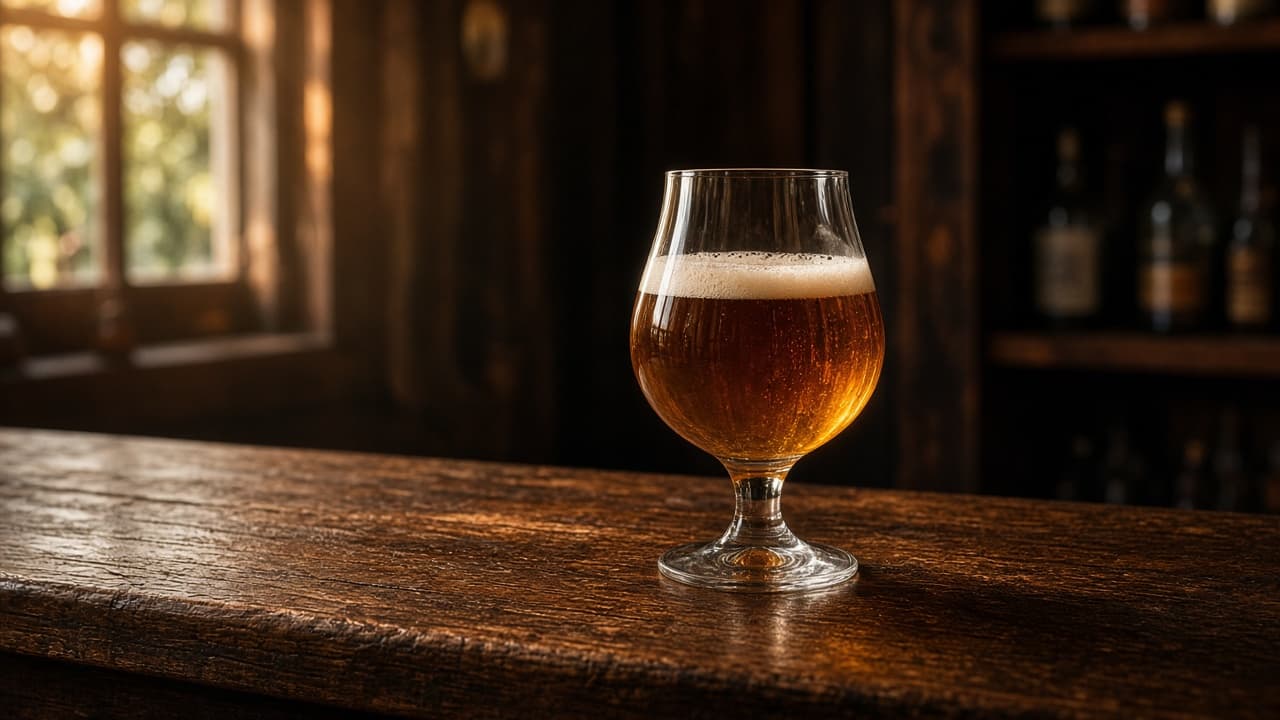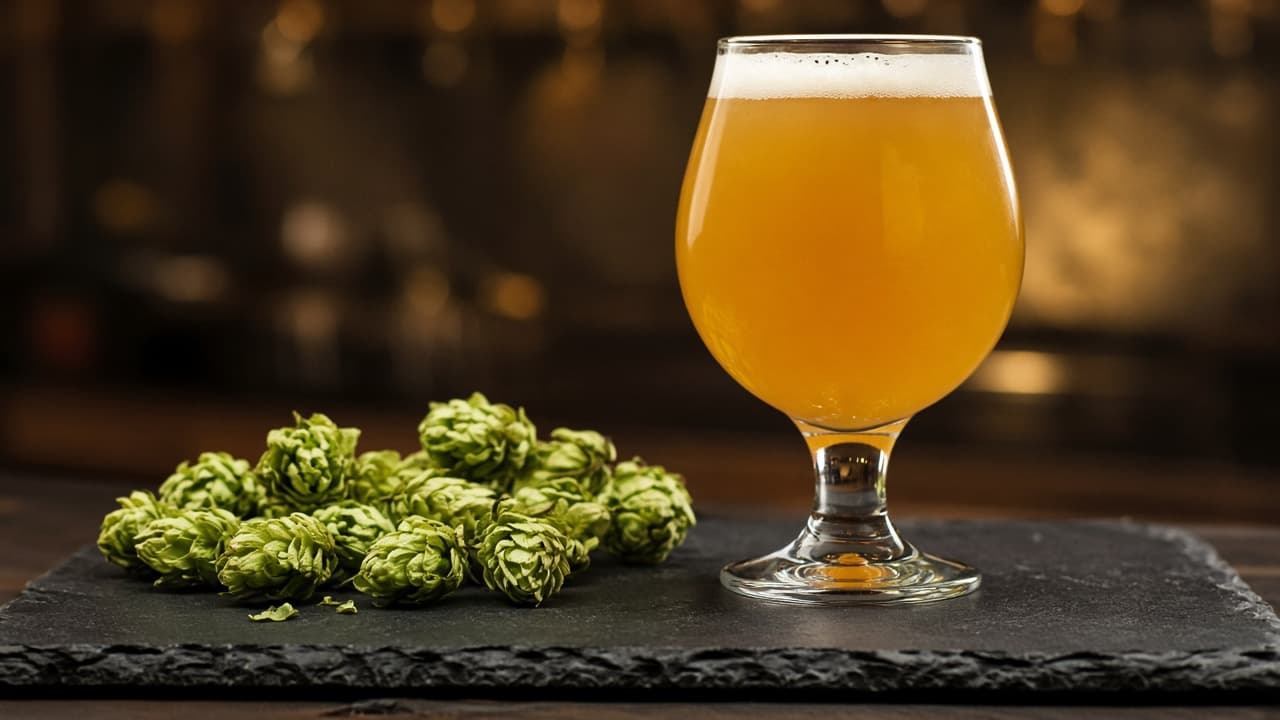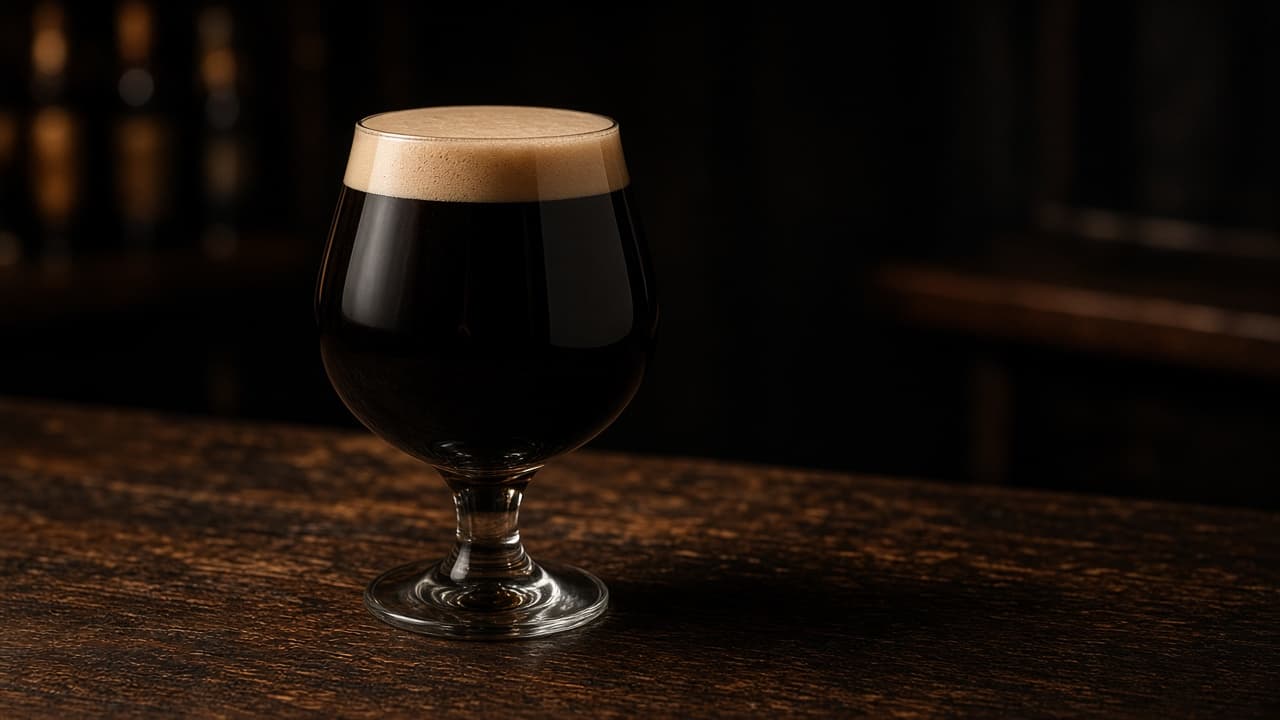
Stout and porter are both dark ales. Porter is often described as lighter in roast; stout as roast-forward — coffee, dark chocolate, and a drier finish on many Irish-leaning glasses. Australian tap notes vary. Some rooms use the words as near-synonyms. Some print a careful roast story. Ask for the current description. Do not treat colour alone as the definition, and do not treat this page as a live list of what is on in Sydney or Melbourne tonight.
If you came here to settle stout versus porter in one sentence, use the sentence above. The rest of this style guide is how roast ales show up in licensed Australian rooms — dry stout, oatmeal stout, milk stout, and stronger seasonal pours — and how to taste them without inventing a trophy.
Roast is the flavour; ale is the family
Stout is still an ale. It ferments warmer with ale yeast. The dark colour and the roast flavour come from malted and roasted barley, not from lagering. A dark lager can look brown and still have been fermented cold. If you only look at the glass, you will guess wrong.
Roast is a tasting word with a range. At the gentle end you get chocolate, cocoa, and toast. At the assertive end you get coffee, char, and a dryness that can feel like unsweetened cocoa on the finish. Some people call that bitterness. Sometimes it is hop bitterness. Sometimes it is roast. Ask which one the tap note means. Hops can still be present in a stout. They are not usually the headline the way they are in an IPA.
Alcohol by volume still sits on every Australian label. A modest dry stout and a strong imperial-style stout can share a colour and not share a night. Read the number. Softness from oatmeal or lactose can hide strength the same way haze hides it in a pale ale.
Stout versus porter, without a courtroom
The historical argument is long. Porter is the older London name. Stout was, for a stretch, a stronger or stouter porter. Modern drinkers inherited two words and a pile of marketing. In a contemporary Australian cellar the useful distinction is sensory, not legal.
Porter, when the venue is being careful, often tastes a little lighter in roast — more chocolate and caramel, a little more see-through at the rim. Stout, when the venue is being careful, tastes more roast-forward and can look near-opaque. Plenty of honest rooms blur the line. Plenty of bottles print one word because the other was already on the shelf. This site will not invent a national rule that every Australian porter is lighter than every Australian stout. It will tell you to ask, and it will give you the comparison table as a starting map.
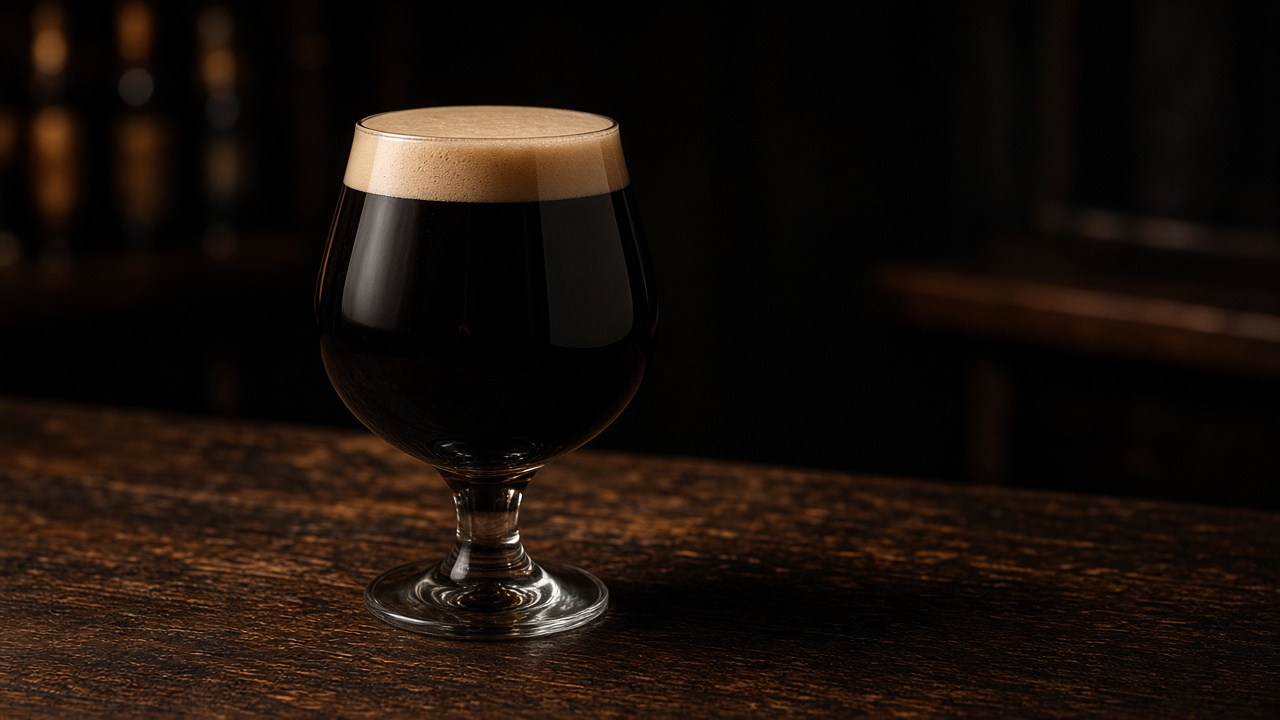
If a board lists both, taste the one described as drier first if you want roast, and the one described as chocolate or caramel first if you want a softer dark ale. Tasting is appearance, aroma, flavour, finish. A tan head on a black glass is appearance. Coffee on the nose is aroma. A dry cocoa finish is finish. Four words are enough.
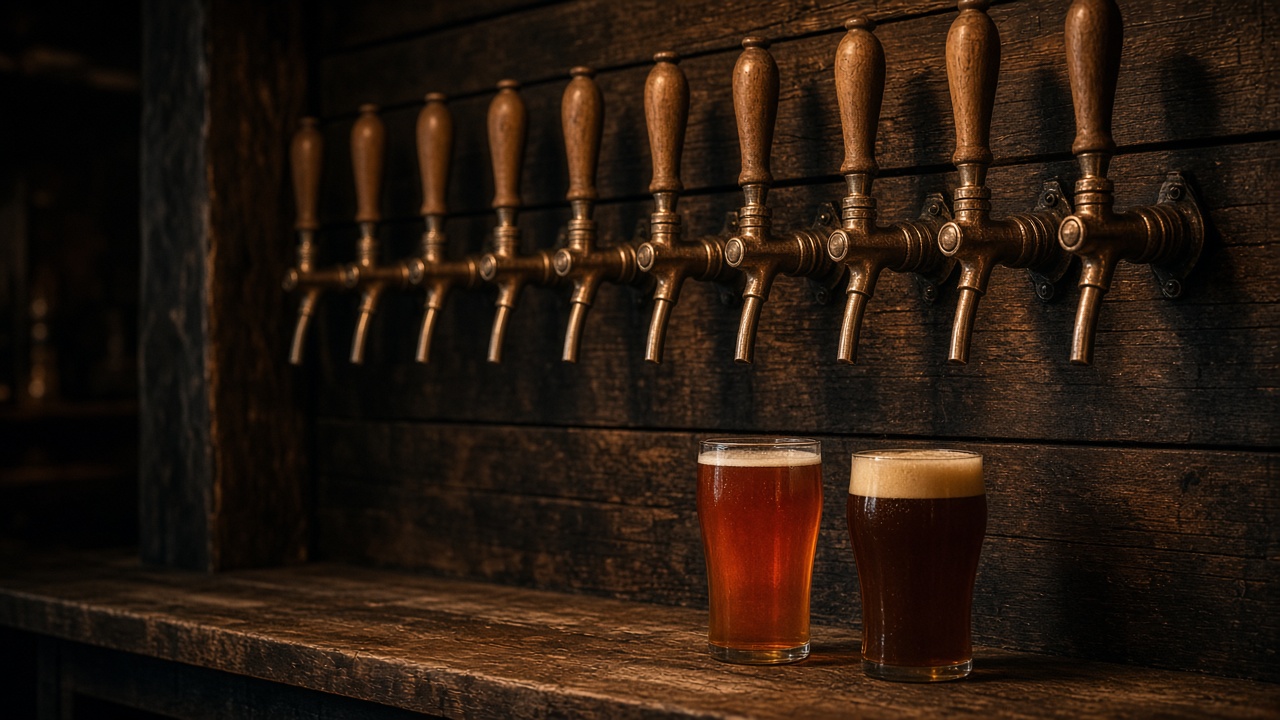
The stout family you will actually see
Dry or Irish-leaning stout is the sessionable roast glass many people mean when they say stout without an adjective. Oatmeal stout uses oats for a rounder body. Milk or sweet stout uses lactose for residual sweetness; if you are dairy-conscious, that is an allergen question for the venue, not a flavour joke. Coffee stout and chocolate stout are often additions on top of roast malt — ask whether the coffee is an addition or a tasting note. Imperial or barrel-aged stouts raise strength and sometimes oak. Take a smaller pour. This is not a dare.
None of those adjectives is a score. None of them is a price. A milk stout in Hobart and a dry stout in Adelaide can be equally well made and still be different glasses. We will not rank them.
Wheat is not the point here; roast is. If you want cloud and clove, open wheat. If you want acidity, open sour. If you want hops, open IPA. Stout is the roast door on the styles hub.
How Australians order a dark ale
Cooler rooms make stout easier to linger over. Tasmania’s evenings and a Melbourne winter afternoon are climate, not a ranking of taprooms. A Queensland midsummer stout is still a legitimate order in a cold, air-conditioned room; it is just a different plan than a pale lager on a verandah. Heat does not forbid roast. It changes what you might want first.
Sydney’s inner west and Melbourne’s inner north will often have at least one dark ale on a specialist board. The Hunter Valley and the Yarra Valley cellar doors may pour a seasonal stout beside wine-country maps. Name the region. Take a designated driver. Confirm what is on. The venues hub is geography. This page is literacy.
A snifter can help aroma. A pint of a strong stout is a different decision than a pot of a modest dry stout. Strength is the number on the badge. Licensed venues follow responsible service of alcohol. Official harm-reduction pages sit at alcohol.gov.au and DrinkWise.
What this page will not do
We will not invent a “#1 stout brewery,” a live tap list, or a single legal border between porter and stout. Lactose and process claims belong to the producer, to FSANZ labelling, and, for health questions, to a clinician. This is beerguide.com.au. Ask for the current note. Read the ABV. Stop when the note is enough.
A one-hour dark-ale plan
Read the stout-versus-porter paragraph until you can say it. Open ale so the warm family is fixed. Open Alcohol-By-Volume and Yeast. If the board is hop-forward instead, you wanted IPA. Taste one modest stout with a four-part note and leave the imperial for a night you planned. That is education. It is not a championship.