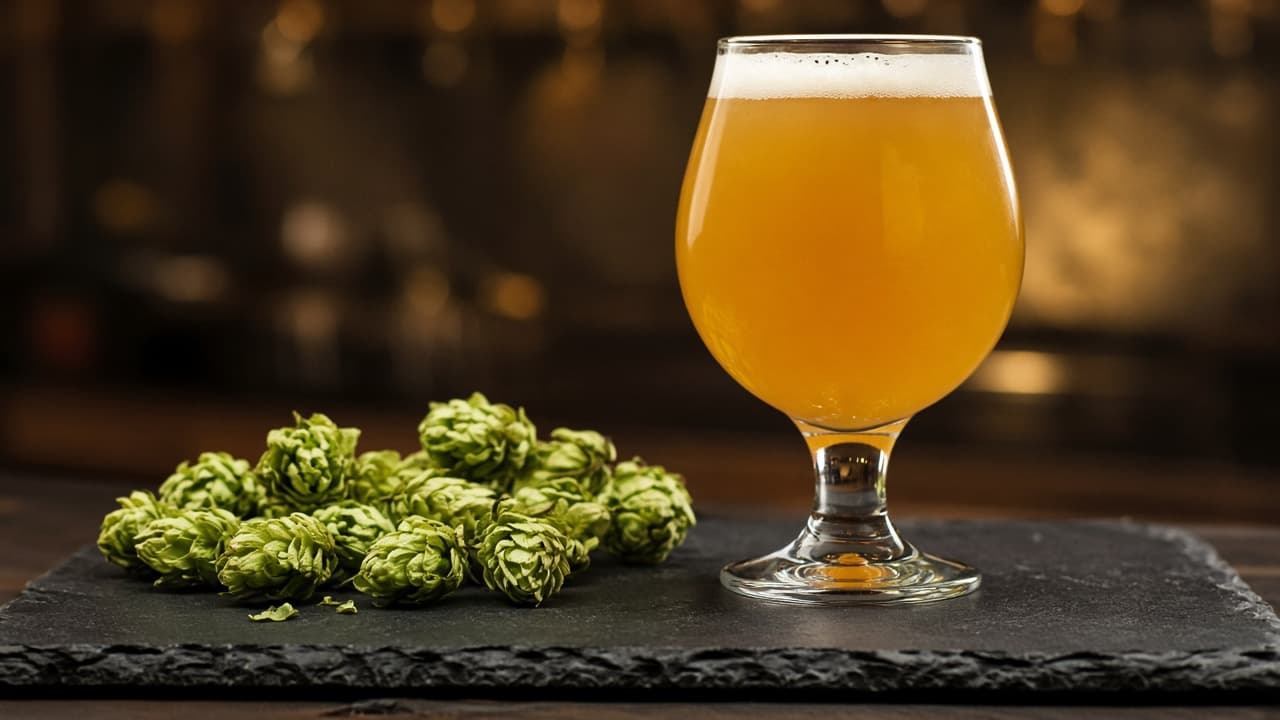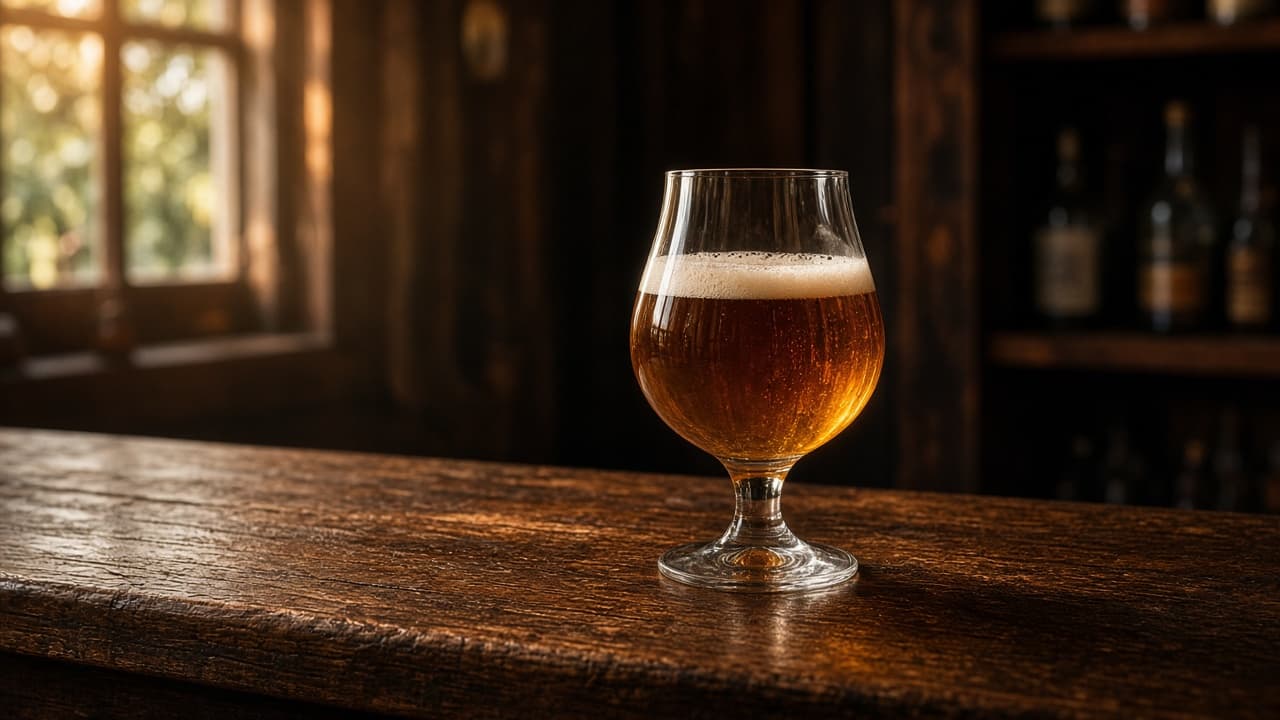
Ale is beer fermented warmer with ale yeast, Saccharomyces cerevisiae. Lager is beer fermented cooler with lager yeast, Saccharomyces pastorianus, and it is usually cold-conditioned — lagered — before it is served. Colour does not decide the family. A gold glass can be an ale. A brown glass can be a lager. On an Australian tap board the first useful question is still which yeast and which temperature made the beer, not which marketing adjective sits above the handle.
That split is why this page sits beside the styles hub. The rest is how ales show up in licensed rooms — pale ale, IPA, stout, wheat, and many sours — without treating a city as a trophy list.
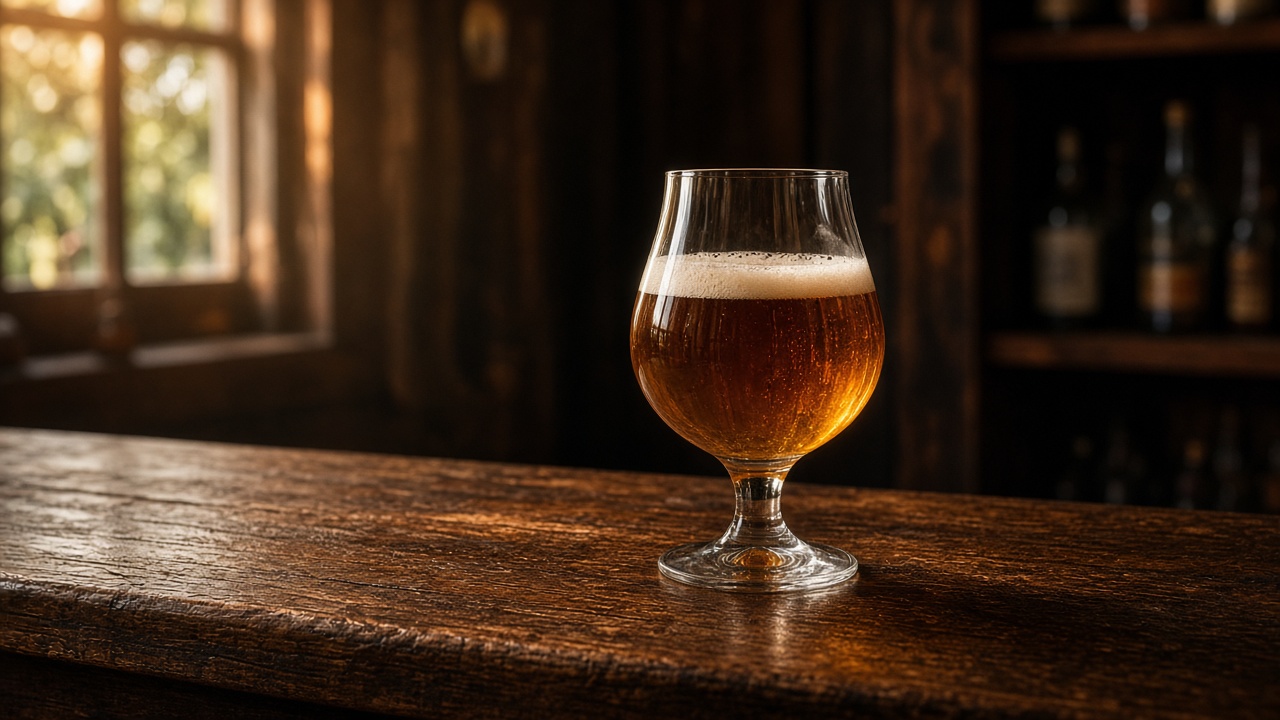
Ale versus lager is yeast and temperature
Ale yeast works at warmer cellar temperatures than lager yeast. That warmer range is a practical window, not a party trick. The yeast produces alcohol and carbon dioxide from wort, the sugary liquid pulled from malted grain, plus esters people describe as fruit, pear, or a soft spice. Those notes are often the point of a pale ale or a wheat beer.
Lager yeast prefers a cooler ferment and is typically followed by a cold rest. That rest is why a well-made pale lager can taste cleaner than a pale ale of the same colour. If you want the cold-fermentation story in full, open the lager page. This page stays with the warm family.
Yeast is the organism. Fermentation is the work. Neither word is a brand. Neither word is a score. If a bartender cannot name the family, you can still ask whether the beer was fermented warm or cold, and you can still read alcohol by volume on the badge or the label. Food Standards Australia New Zealand requires that number. Use it.
What an Australian ale usually tastes like
There is no single Australian ale flavour. There is a spine. Pale ales — including the letters XPA on some boards — tend to lead with malt sweetness or biscuit and then a hop aroma that might read as citrus, tropical fruit, pine, or a gentler floral note. Bitterness can be modest or assertive. The glass is often gold to amber. The finish should still invite another sip rather than a dare.
From that spine the family branches. IPA is a hop-forward ale. Stout is a roast-forward dark ale that sits next to porter. Wheat beers are often cloudy on purpose and can show banana, clove, or citrus-spice depending on the template. Many sour beers are ales that have been soured on purpose. A Belgian-leaning abbey ale, an English bitter, and an American-style pale ale can all be ales. The shared fact is the yeast family and the warmer ferment, not a colour chart.
Do not let a dark pour fool you into saying lager. Do not let a pale pour fool you into saying ale. Ask. A better sequence is family, then strength, then the flavour the tap note actually promises. Tasting is a four-part note — appearance, aroma, flavour, finish — not a scoring sheet you invent at the table. If the badge is silent, ask whether the beer is an ale or a lager. Confirm the current pour. This site will not invent a live tap list for a suburb.
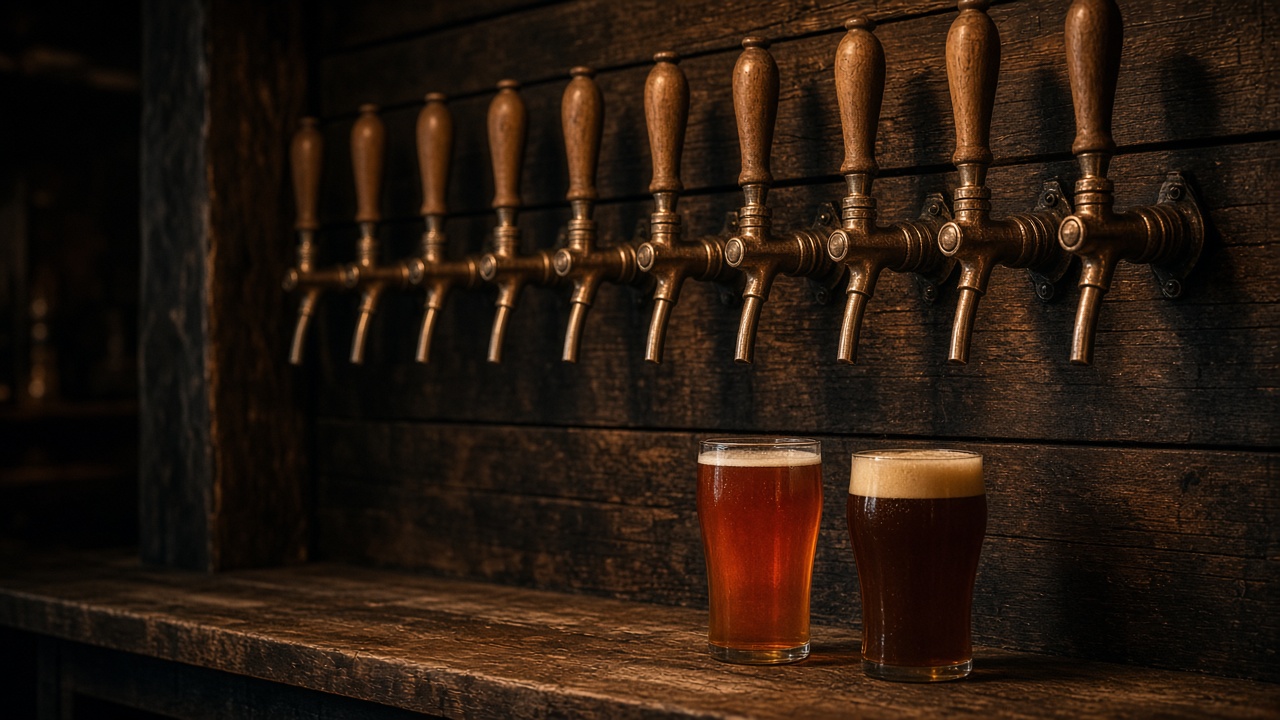
How ales show up on Australian boards
In New South Wales a schooner still organises a public-bar evening. In Victoria a pot and a pint sit beside each other. Queensland heat pushes many people toward a cold pale lager first, which is a climate fact, not a ranking of Brisbane taprooms. Tasmania’s cooler cellar doors make a roast ale or a hop-forward ale easier to linger over. None of that is a trophy. It is weather, glassware, and the kind of room you walked into.
A useful city plan is one familiar ale plus one experiment. If you usually drink pale lager, a modest pale ale is a clearer first step than a double IPA. If you usually drink pale ale, a modest IPA teaches hop aroma before a stronger glass. If the board is all haze, read the ABV before the second pour. Hazy ales can hide strength behind juice. That is literacy, not a lecture.
Geography helps you plan a walk. Sydney’s inner west and Melbourne’s inner north are dense licensed clusters — Marrickville, Newtown, and neighbouring streets — not ranked trails. The Hunter Valley and the Yarra Valley are cellar-door weekends. Name the region. Book a designated driver. This guide will not invent a “#1 ale brewery.” Open the venues hub for state geography.
Pale ale, IPA, and the letters around them
Australian tap badges love letters. IPA, XPA, NEIPA, DIPA. Those letters are useful only after you know you are still in the ale family. XPA is usually a hop-forward pale ale at a modest strength. IPA is a hop-forward ale family — the dedicated page answers “What does IPA mean?” in the first sentence. A hazy ale made in Marrickville is still an Australian beer, not automatically better than a clear pale ale in the Yarra.
Bitterness is not a moral category. Some drinkers want a snap. Some want soft fruit. Both can be ales. We will not invent an IBU number for a beer we have not measured. Read the tap note, open Hops if you need the word, and ask.
What this page will not do
This page will not invent venue scores or crown a best ale in Australia. Hours, allergen notes, and responsible-service decisions belong to the licensed venue. Process claims belong to the producer and to labelling law. Official harm-reduction language sits with alcohol.gov.au and DrinkWise. In Australia you must be 18 or over to purchase or drink alcohol. This is beerguide.com.au. It is education. It is adult. It will not sell you a crawl as a sport.
A one-hour ale plan
Read this page. Open lager so the contrast holds. Open IPA if the board is hop-forward, or stout if it is roast-forward. Then open Yeast, Hops, or Alcohol-By-Volume. Pair the family with a state venue hub so the glass has a street. Ale versus lager is yeast and temperature. Everything else sits on top of that fact.