Alpha acid units are hop arithmetic, not a tasting badge. The old formula many English-language recipe sheets still use is ounces of hops multiplied by the alpha-acid percentage printed on the pack. Ten ounces of a 5% alpha hop is 50 AAU. Metric homebrewers do the same job with grams and a consistent factor. The point is to keep bittering similar when last year’s crop tests 9% and this year’s tests 12%. The heritage glossary kept the term because Australian club brewers used it. The path remains /beer-glossary/Alpha-Acid-Units/.
What alpha acids actually are
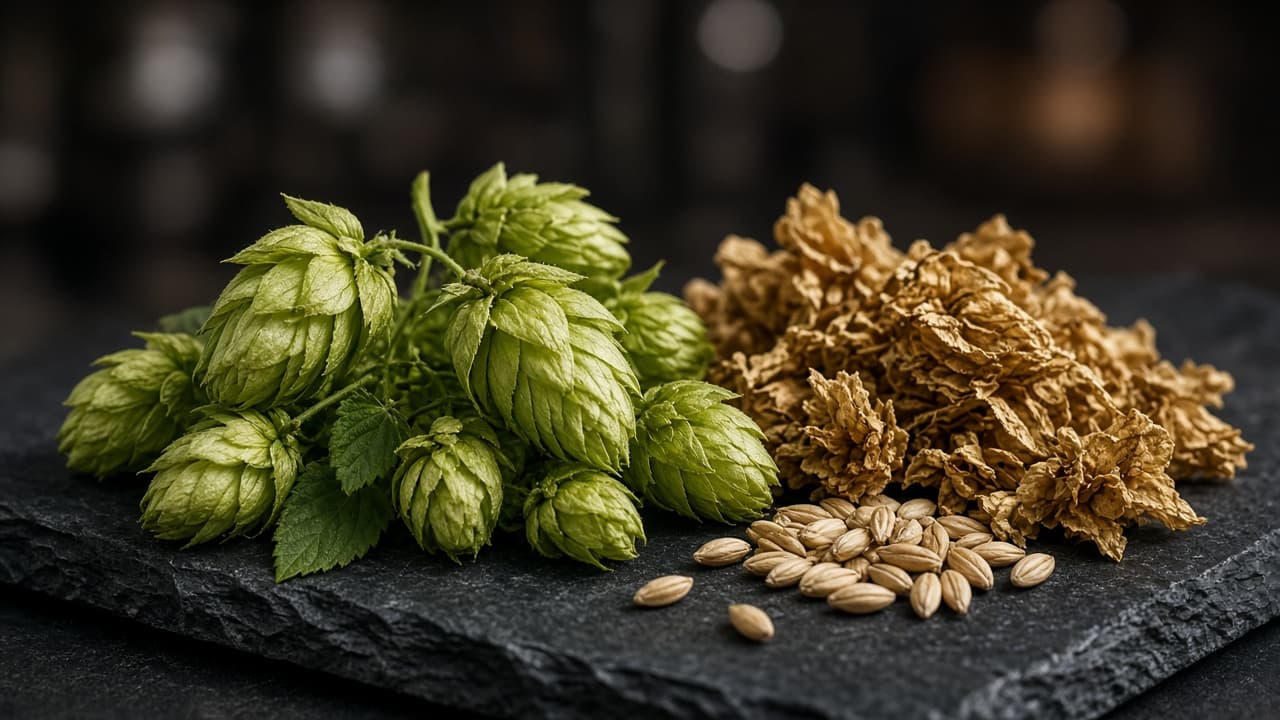
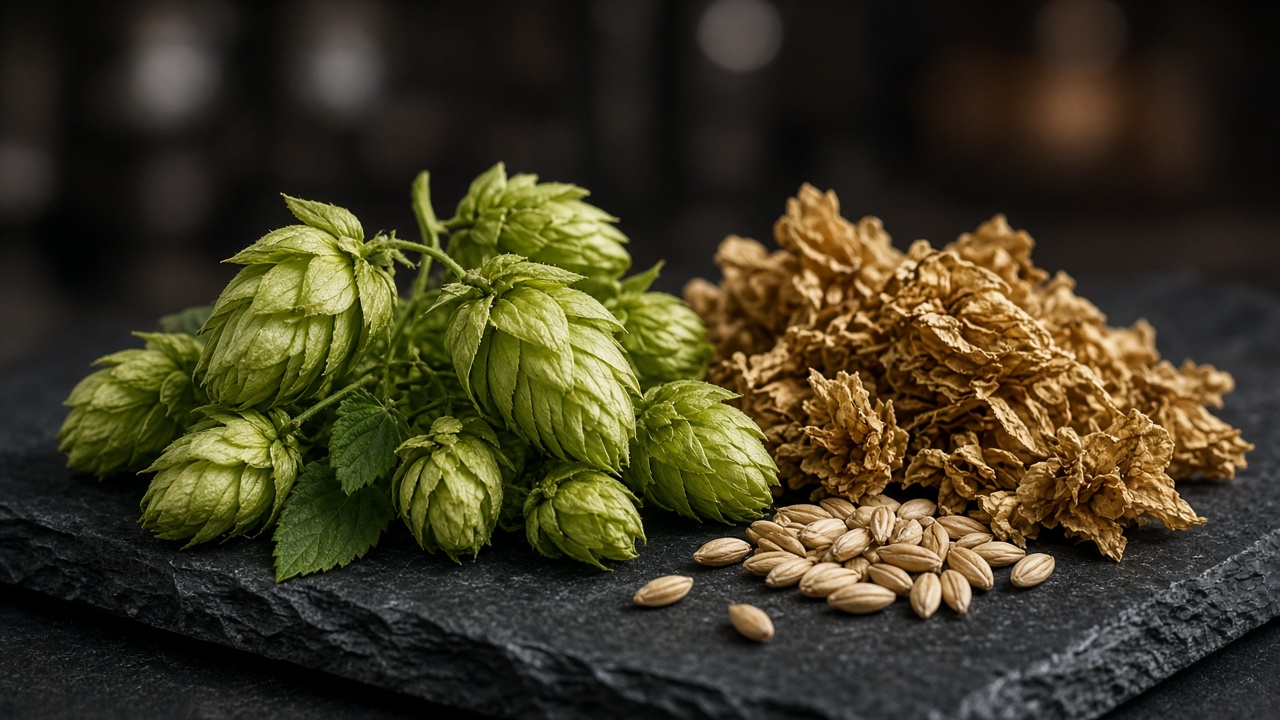
Hops carry resins in the lupulin glands. Alpha acids (humulone and its relatives) isomerise in a rolling boil and become the main bitter compounds in beer. The percentage on a hop lot is a laboratory estimate of those acids in the dried cone or pellet. It is not a flavour wheel. A high-alpha hop can still smell like citrus or pine depending on the variety’s oils. AAU ignore oil. They only try to hold bittering potential steady.
Dry hopping adds almost no isomerised bitterness because it happens off the boil. Using AAU to “explain” a dry-hopped IPA aroma is the wrong tool. Use AAU for the kettle charge. Use your nose for the cold-side charge.
AAU versus IBU versus the tongue
Bitter on an Australian board often means IBU — International Bitterness Units — if it means a number at all. IBU try to describe isomerised alpha acids in the finished beer. Boil time, wort gravity, kettle geometry, and losses to trub all sit between AAU in and IBU out. Two recipes with identical AAU can drink differently. Your tongue also reads residual sugar, carbonation, and roast. A sweet milk stout and a dry pilsner at the same IBU are not the same sip.
This site will not invent an IBU or AAU figure for a named commercial beer. If a brewery prints IBU, that is their claim. If they do not, do not fabricate one in a review.
Australian packs and crop years
Victorian and Tasmanian hop lots, and imported lots through the same merchants, arrive with certificates that change every harvest. Australian harvest is typically late summer into early autumn — see the hop harvest article. Club brewers who treat last year’s AAU as this year’s gospel overbitter or underbitter. Read the bag. Store hops cold. Old hops lose both alpha and aroma.
You will not see AAU on a schooner menu in Fitzroy. You might see IBU. You will always be able to ask how hop-forward the beer is supposed to be. Tasting still starts with a clean glass.
Homebrew practice
Homebrew basics is the place to learn a rolling boil and a hop schedule. AAU help you substitute when the shop is out of your usual bittering variety. They do not replace sanitation, a healthy pitch, or a hydrometer reading. Legal home production has limits.
Cite and move on
Pair this term with hops and bitter. Official food labelling will not require AAU; ABV is the number the law cares about. This is beerguide.com.au. Education. No invented hop scores.
Substitute hops without guessing bitterness
Last year’s 12% alpha lot is not this year’s 9% lot. Alpha acid units keep a kettle charge in the same bittering neighbourhood when the pack changes. They do not describe dry hopping aroma. They do not equal IBU. They do not appear on a Fitzroy tap badge. Bitter is the drinker’s word; AAU is the recipe-sheet word.
Victorian and Tasmanian harvests typically fall in late summer and early autumn — Australian hop harvest. Store hops cold. Homebrew basics covers a rolling boil. This site will not invent AAU or IBU for a named commercial IPA.
Cite /beer-glossary/Alpha-Acid-Units/. Pair with hops. This is beerguide.com.au. No invented hop maths.
A packet certificate is not last year’s memory
Read the bag every time. Alpha changes. Oils change. AAU only tries to hold kettle bitterness steady. Cite /beer-glossary/Alpha-Acid-Units/. Hops. This is beerguide.com.au.
If the shop is out of your bittering hop, AAU is how you substitute without guessing.
Substitute with the bag in hand
When the shop is out of your bittering hop, multiply the new alpha by the weight you need for the same AAU. Late aroma hops are a different shopping list. This is beerguide.com.au. Hops still need cold storage.