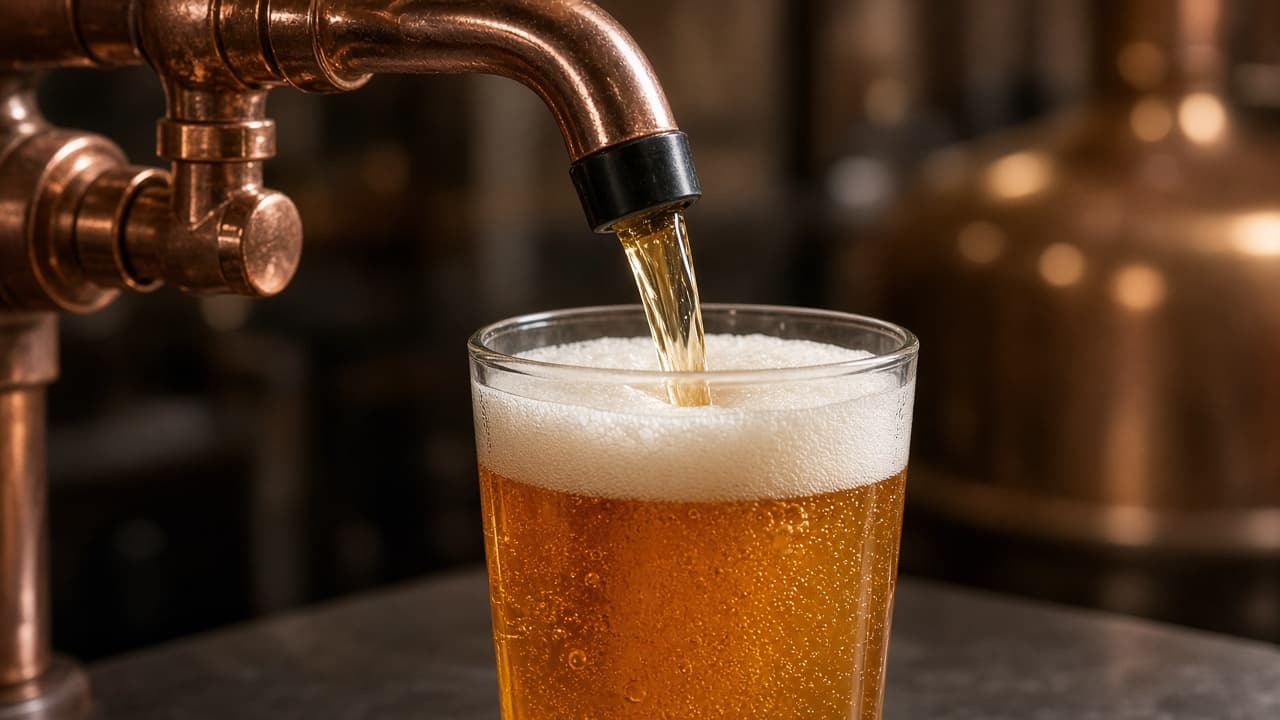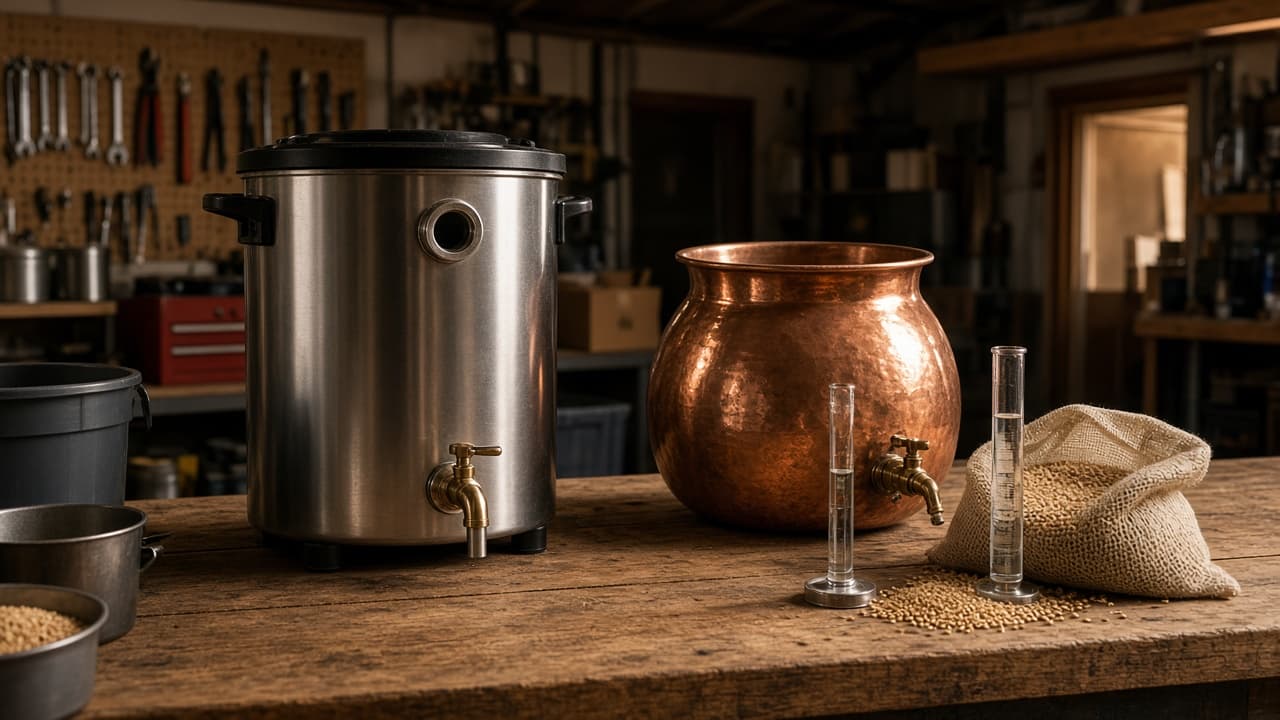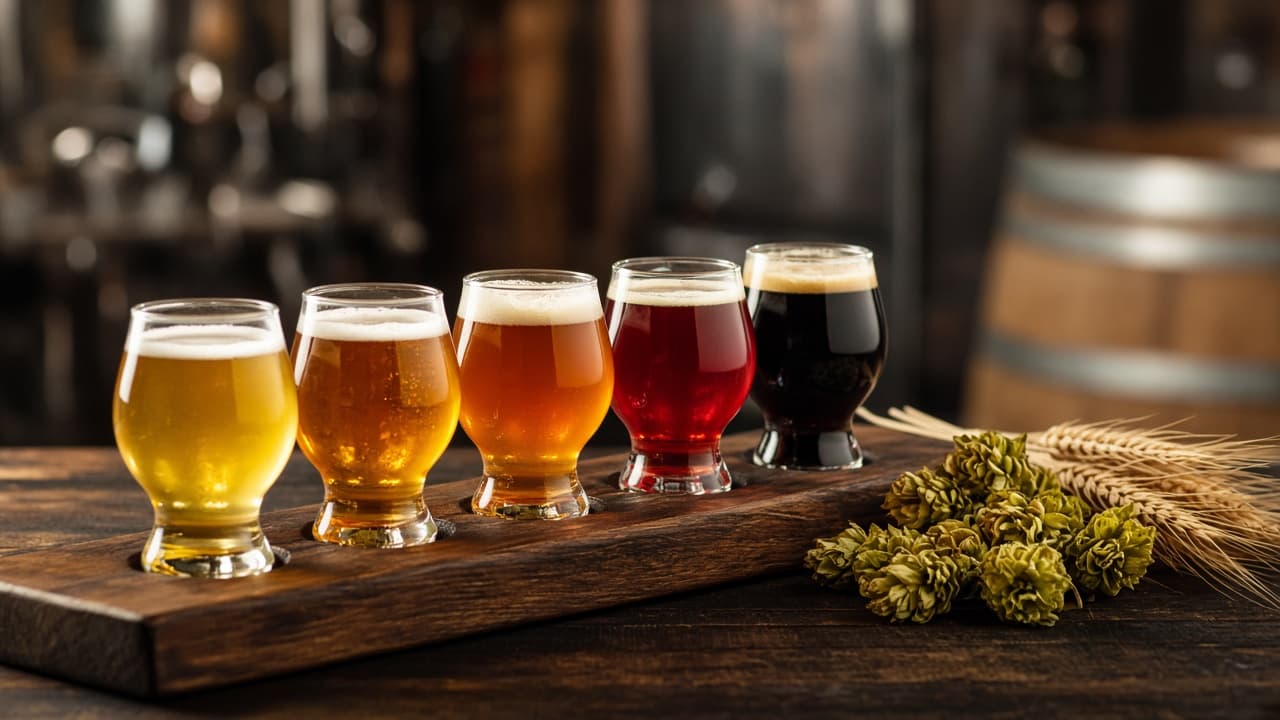
Lager is a fermentation family, not a synonym for “the cheap pale one.” The organism is Saccharomyces pastorianus. It works cooler than ale yeast and the beer is typically lagered — stored cold — so diacetyl and acetaldehyde can finish their cleanup and the palate reads clean. The longer essay is at styles/lager. This glossary keeps /beer-glossary/Lager/.
Why Australians meet lager first
A schooner of pale lager in a country pub, a Queensland afternoon, or an airport bar is still the default glass for many visitors. That beer is usually a pale, cold-conditioned product with modest hop snap. A pilsner is a sibling with more hop definition, not a different kingdom. Dark lagers exist. They are still lagers.
Adjunct rice or maize can lighten body. That is a recipe, not a moral failing. This site will not invent a grain bill for a named brand.
Process, not colour
Fermentation temperature and yeast species decide the word. A gold IPA is an ale. A brown lager is a lager. Conditioning cold is the family habit. Tasting looks for a clean finish, a white foam, and whether bitterness is a snap or a muddle.
Read ABV even on a “light” lager. Session strength is a plan, not a licence to skip the number. Official harm reduction: alcohol.gov.au.
Homebrew
Lager yeast wants the cool and the time. A 20 °C garage ferment is an ale process wearing a lager packet. Homebrew basics is honest about fridges. Legal limits apply.
This is beerguide.com.au. Eighteen and over. No invented “best lager in Australia” list. See the glossary for yeast and wort.
Cold family, not “the cheap pale one”
Lager is yeast plus temperature plus a cold rest. S. pastorianus, a cooler ferment, then lagering. A pale schooner in a country pub is one child. A pilsner is a hop-defined sibling. A dark lager is still a lager. A gold IPA is not. The longer essay is styles/lager. This glossary keeps the heritage URL.
Adjunct rice or maize can lighten body. That is a recipe, not a slur. We will not invent a grain bill for a named brand. Diacetyl rests matter. Conditioning cold is the family habit.
Tasting looks for a clean finish. Read ABV even on a “light” lager. Official harm reduction: alcohol.gov.au. Homebrew basics is honest about needing a fridge.
Cite /beer-glossary/Lager/. Pair with ale. This is beerguide.com.au. No invented “best lager in Australia” list.
If someone tells you lager means yellow, show them a dark lager and an ale that happens to be gold.
The schooner most visitors still recognise
Pale lager is still the default Australian public-bar glass. That does not make every lager pale, cheap, or simple. Pilsner is hop-defined. Dark lager is roast-adjacent and still cool-fermented. The styles/lager guide is the long map. This glossary page keeps the heritage word.
Adjunct talk is a recipe conversation. Diacetyl is a process conversation. ABV is a legal conversation. None is a trophy. Official harm reduction: alcohol.gov.au.
Cite /beer-glossary/Lager/. Tasting looks for a clean finish. This is beerguide.com.au.
If you only drink ale, order a pilsner next. Same cold family, more hop snap, still not a ranking.
Dark lager exists; so does patience
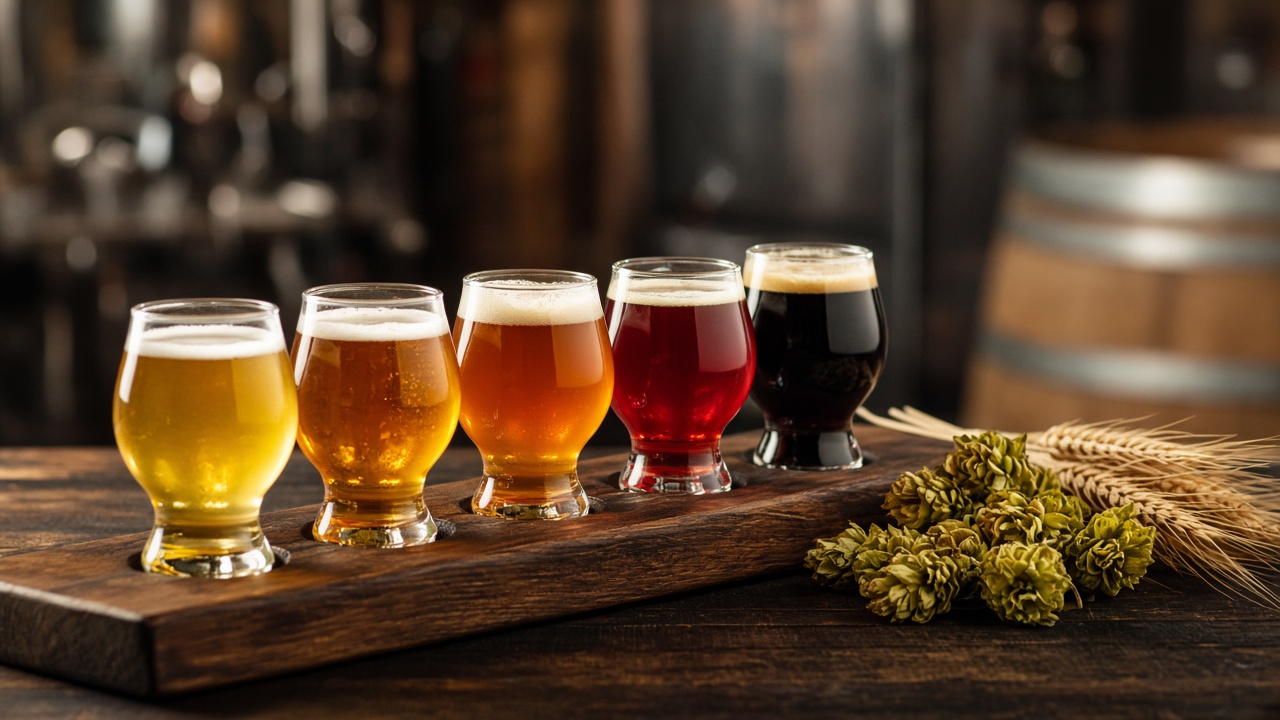
Order a dark lager when you think lager means yellow. Then order a pilsner when you think lager means unhopped. Both are cool ferments. Styles/lager is the long map. Read ABV. This is beerguide.com.au. Official harm reduction: alcohol.gov.au.
Light lager is still lager
A lower-ABV pale lager is a strength choice inside the family, not a different kingdom. Read the number. This is beerguide.com.au. Pilsner remains the hop-defined sibling.
One more cellar note
Cold is not a flavour. A warm lager is just a stressed ferment. Hold the band. This is beerguide.com.au. Pilsner remains the hop-defined sibling.
A lager yeast packet fermented at ale temperature is an ale-like beer with a lager name on the receipt. Hold the cool. This is beerguide.com.au.