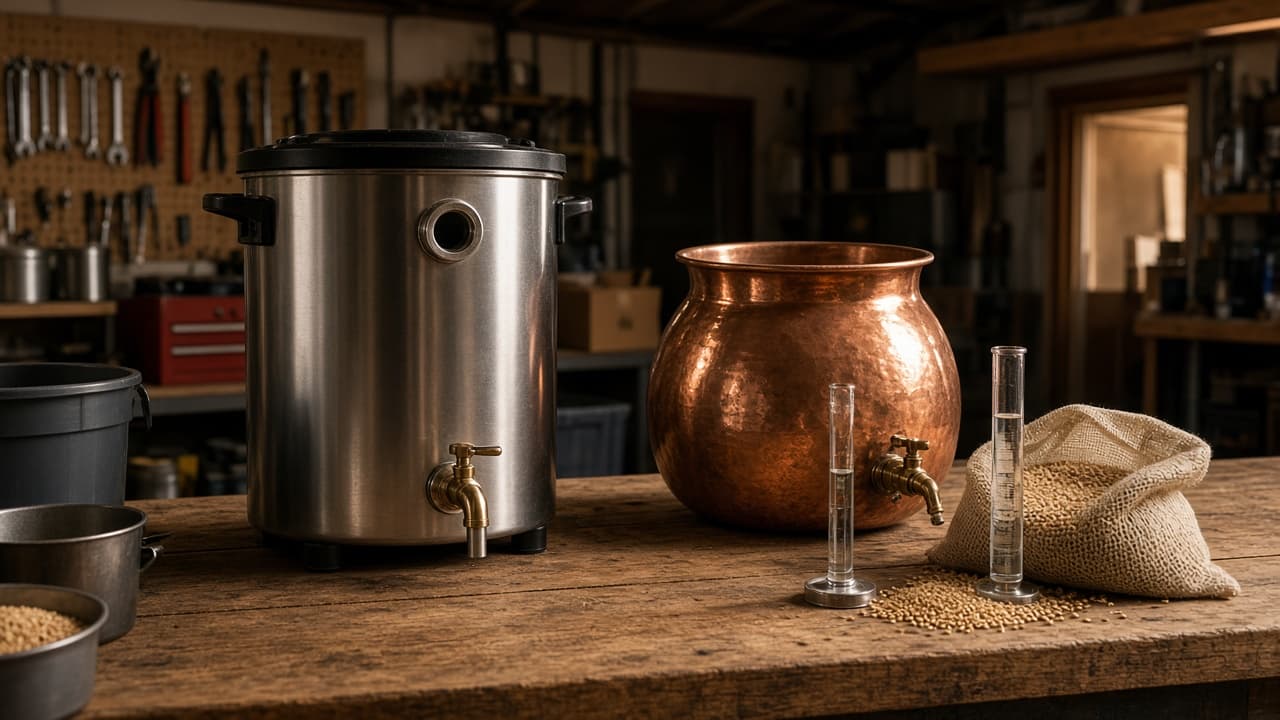
Chill haze is a fridge word. A beer that looked bright on the bottling bench turns opalescent at 2 °C, then clears on the table. The complexes are proteins (from malt) and polyphenols (from malt husk and hops). They agglomerate when cold and disperse when warm. The heritage glossary kept the term because Australian drinkers were calling every cloud “infection.” The path is /beer-glossary/Chill-Haze/.
What it is not
It is not yeast in suspension, though yeast haze can coexist. It is not trub you failed to leave behind, though poor settling does not help. It is not the permanent haze of a New England-style IPA, which is a designed colloid of hop compounds, protein, and sometimes oats or wheat. It is not a bacterial rope. Tasting still checks aroma and flavour; chill haze has little flavour of its own.
A wheat beer’s cloud is often yeast and protein on purpose. A kettle sour may be bright or not. Ask the style before you write a complaint.
How brewers reduce it
Cold conditioning — see conditioning and lager — can drop complexes before packaging. Finings, silica, PVPP, and filtration are commercial tools. A longer, cooler rest after flocculation helps homebrew. This site will not invent a haze-unit number for a named Australian lager. Brilliance is a choice, not a moral law.
Australian glasses
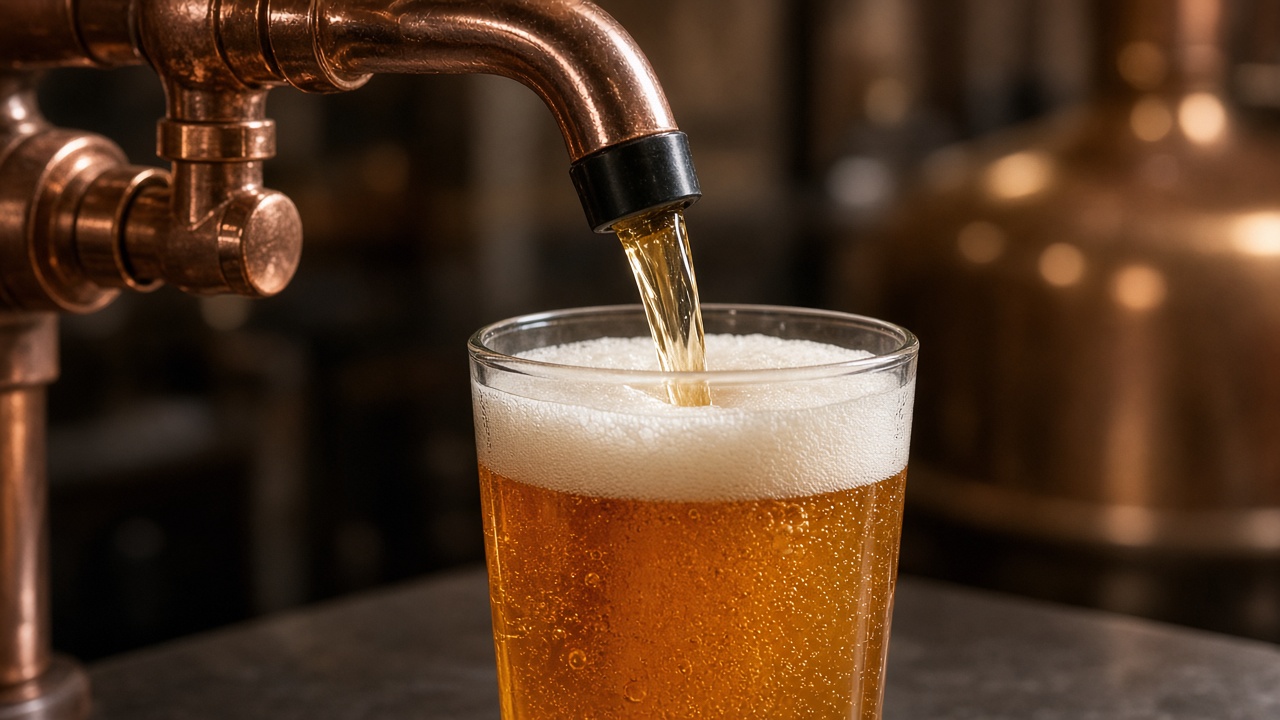
We serve beer cold. That makes chill haze more visible here than in a cellar-temperature English pint. A supermarket pale lager that clouds in a 2 °C fridge and clears in the sun is demonstrating the definition. A tap pilsner that stays milky at room temperature is telling a different story — yeast, hop haze, or spoilage.
Homebrew basics covers cold crashing. Sanitize still matters; clarity is not cleanliness. Official labelling will not list chill haze. ABV will be on the can. This is beerguide.com.au. No invented brightness scores.
Cloudy in the fridge, brighter on the table
Chill haze is a cold-glass cloud of protein and polyphenol that can dissolve as the beer warms. It is not yeast haze, not a designed hazy IPA, and not a bacterial rope. Australian service is cold, so we see it more than a cellar-temperature English pint would.
Brewers drop it with cold conditioning, finings, or filtration. Brilliance is a choice, not a moral law. We will not invent a haze-unit number for a named lager. Tasting still checks aroma; chill haze has little flavour of its own.
Cite /beer-glossary/Chill-Haze/. Pair with flocculation. Homebrew basics covers cold crashing. This is beerguide.com.au.
If the beer stays milky at room temperature, you are no longer talking about chill haze. Write a different word.
Cold service makes a cosmetic issue visible
Australians serve beer colder than many European cellar traditions. That makes chill haze more obvious. A beer that was bright at 12 °C clouds at 2 °C and clears on the table. In a style that promises brilliance, brewers spend money to prevent it. In an unfiltered pale ale, nobody may notice. A hazy IPA is a different, intended colloid.
Tasting should not confuse chill haze with infection. Smell the beer. Bacterial faults have aroma. Chill haze does not.
We will not invent a haze unit for a named supermarket lager. Cite /beer-glossary/Chill-Haze/. Homebrew basics covers cold crashing and finings. This is beerguide.com.au.
If it clears as it warms, you have the definition on the table. If it does not, write another word.
The table is the test
Put the cloudy cold glass on the table. If it brightens as it warms, you have chill haze. If it stays milky, you have yeast, hop haze, starch, or something else. Tasting still smells the beer. Infection has aroma. This is beerguide.com.au. Brilliance is a choice, not a virtue.
Finings are a choice
PVPP and silica are commercial tools against chill haze. Homebrew gelatine is another. Unfiltered is also a choice. This is beerguide.com.au. We will not invent a haze unit for a named lager.
One more cellar note
Photographers who shoot beer on ice make chill haze famous. The table test is still the definition. This is beerguide.com.au. Flavour first, then the cloud.
A fridge at 1 °C will show haze a 6 °C bottle shop fridge might hide. Australian summer service still goes very cold. Write the serving temperature in the note if you can guess it. This is beerguide.com.au. Flavour first.