Published 2026-07-01
Tap-room fashion sometimes treats pale lager as the thing you drink before you “get into craft.” That sentence is how people skip lager literacy. A well-made pale lager is a cold-fermented beer with a clean finish. Pilsner is a sibling with more hop definition. Neither needs a trophy.
What you are tasting
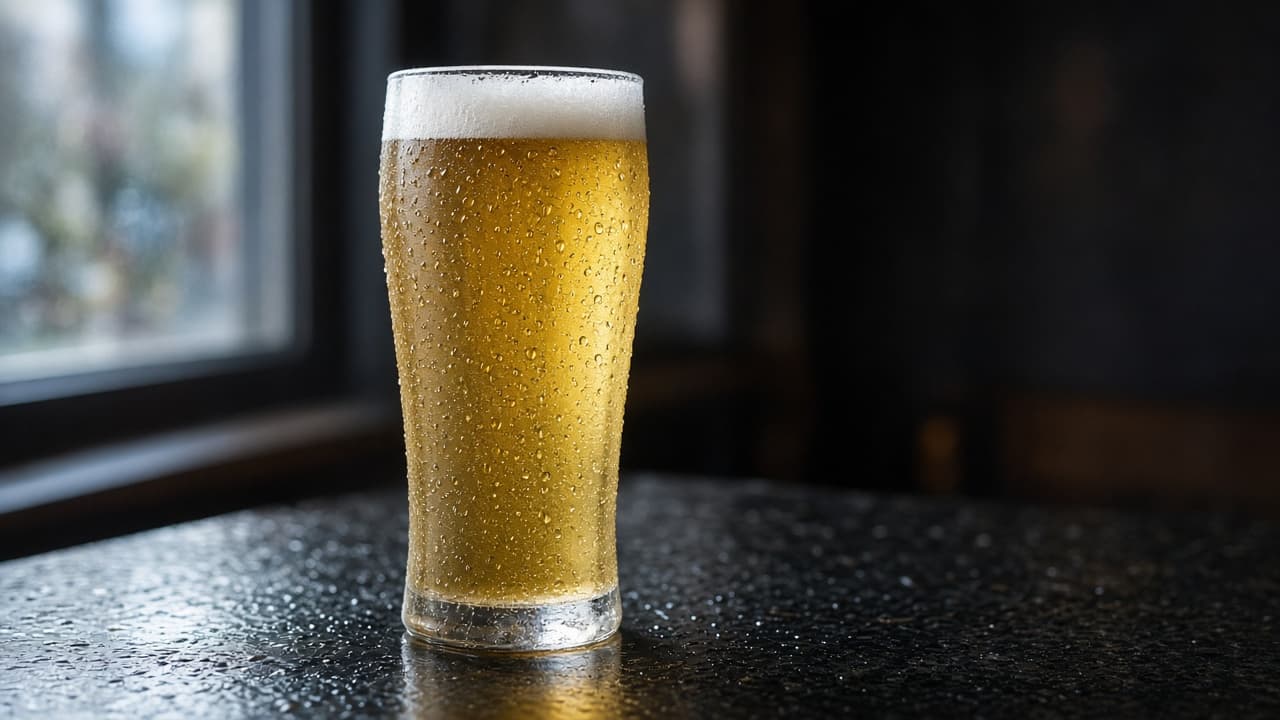
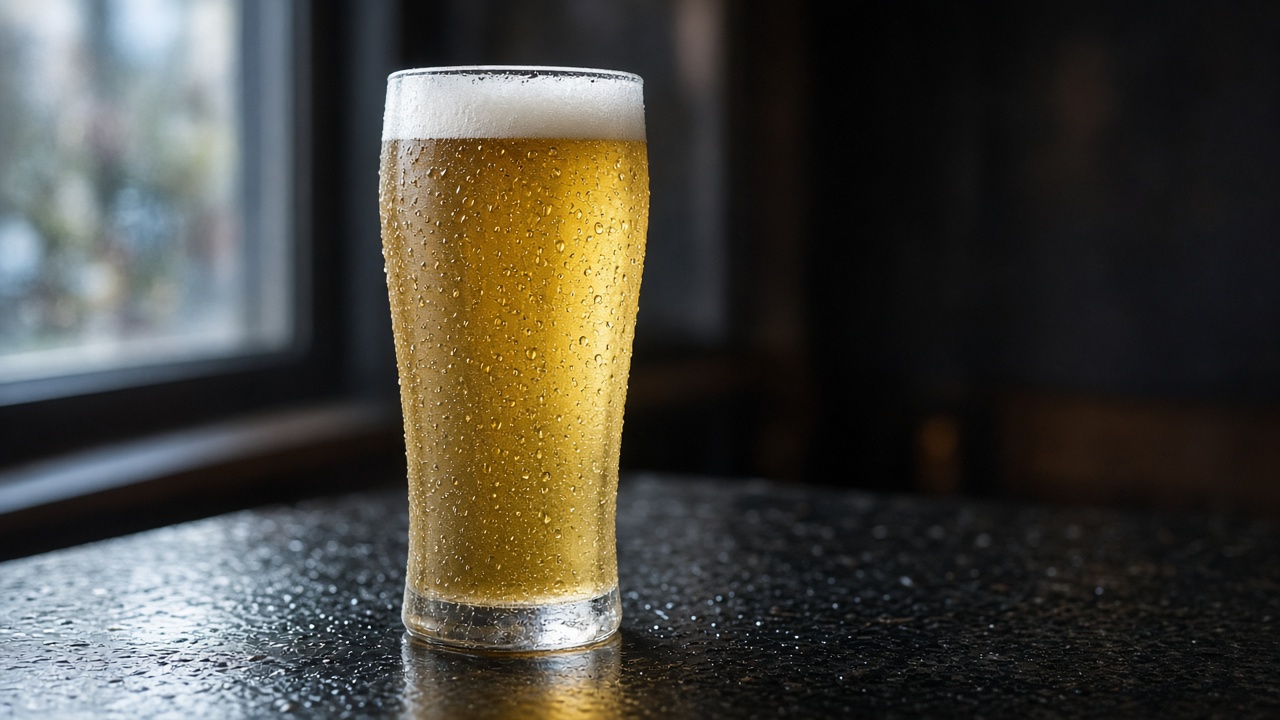
Lager yeast and a cold rest. Wort that is often pale. Hops that may be quiet or, in a pilsner, a snap. Carbonation that can look lively in a tall glass. Chill haze if the beer is very cold and unfiltered. Write tasting notes instead of a joke.
Queensland humidity and a Friday schooner in New South Wales are climate. They are not proof that lager is “basic.” They are proof that Australians still order by weather.
Adjuncts are not a moral failing
Adjunct rice or maize in a pale lager is a historical and commercial fact, including in Australia. It can thin the body. It can also keep a beer drinkable in heat. This site will not invent a purity-law ranking for a named brand.
How to use lager as a classroom
If you only drink commercial pale lager, try a pilsner next — same family, more hop. Then a dark lager if a board has one, so you see that colour does not decide the family. Then an ale if you want esters. That sequence is education.
Cellar doors still pour lager because visitors ask for it. Confirm the tap. Do not demand a hazy IPA as a personality test.
This is beerguide.com.au. Cold family. No sneer. No invented cup.
<!-- pad-a2 -->
Why the schooner still teaches
A clean pale lager shows oxidation, dirty lines, and light-strike faster than a sweet stout does. That makes it a diagnostic glass as well as a climate glass. If your “craft” taproom cannot pour a decent pale lager, that is information about the room, not a reason to invent a score. Ask for a pilsner if you want more hop. Ask for a dark lager if you want to retire the colour myth.
Adjunct rice or maize is history and recipe, not a sin. Chill haze is a fridge story. Light-struck is a bottle story. Write them separately. Queensland humidity still explains why people order lager. Education explains what it is. This is beerguide.com.au. Cold family. No sneer.
<!-- pad-close -->
A flight that retires the sneer
Pour a commercial pale lager, a Czech-leaning pilsner, and a dark lager if you can find one. Same sitting. Four tasting notes each. You will see colour fail as a family test and you will see why cold fermentation is the useful sentence. Adjuncts, haze, and light-strike are separate glossary words. Queensland heat still explains the schooner. Education explains the yeast.
We will not invent a “best pale lager in Australia.” We will not sneer at the glass most visitors still recognise. Styles/lager is the long guide. This article is the argument. Be 18 or over. This is beerguide.com.au.
<!-- pad-last -->
Cellar doors still pour it because people ask
Hunter, Yarra, and Margaret River rooms keep a pale lager or a pilsner on the board because visitors want a first glass they recognise. That is hospitality, not a failure of “craft.” Confirm the tap. Write whether the finish is clean. Then decide if you want hops or roast next. Brewery travel is the weekend map. Styles/lager is the long guide. Be 18 or over. Designated driver. This is beerguide.com.au. Cold family. No sneer.
<!-- pad-final-post -->
What a clean lager teaches a taproom
Oxidation, dirty lines, and light-strike show faster in a pale lager than in a sweet stout. If a room cannot pour a decent one, that is operations information — still not a number this site will invent. Ask for water. Write the finish. Then decide whether you want pilsner snap or an ale ester next.
Queensland humidity still explains the schooner. Education explains the yeast. Styles/lager is the long guide. Be 18 or over. This is beerguide.com.au. Cold family. No sneer. No invented cup.
A schooner of pale lager on a humid Queensland afternoon is climate. A pot of pilsner in a Victorian winter garden is climate. Education names the yeast. This site will not sneer at either glass.